








About Optimizely Personalization
What is Optimizely Personalization?
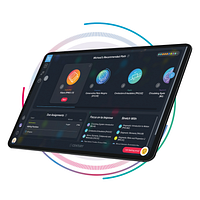
Optimizely Personalization enables brands to deliver highly targeted, individualised digital experiences by combining audience segmentation, real-time data, visual editing, and experimentation. With tools like a flexible audience builder, WYSIWYG visual editor, and pre-built templates, marketers can create personalised campaigns without heavy developer involvement. The platform supports automatic real-time segments, integrations with first- and third-party data, and fast delivery for flicker-free experiences. It is tightly connected with Optimizely’s broader experimentation, data platform, and optimisation capabilities, enabling brands to plan programmes at any scale, deliver personalised content, test and iterate, and measure business impact across devices and channels. Businesses have reported conversion lifts, higher engagement, faster campaign velocity and improved customer loyalty using the platform.
Key Features of Optimizely Personalization
Create and manage audiences based on multiple data sources—first-party, third-party, events or behavior—in order to target personalised experiences in real-time.
Use a WYSIWYG visual editor with pre-built experience templates (e.g., countdown timers, banners) to design and publish personalised web experiences without code.
Automatically update visitor segments in real-time and deliver personalised experiences via events (clicks, form submissions, pageviews) with fast, flicker-free edge delivery to improve performance and SEO.
Combine personalization campaigns with experimentation via multi-armed bandits, holdback control groups and Optimizely’s Stats Engine to measure ROI, test segmentation, and optimise campaign performance.
Plan and manage campaigns and programs at scale with shared workspaces, version history, approvals, timelines, and integrations with broader optimisation workflows.
Leverage machine-learning algorithms (contextual bandits) and AI assistants (Opal) to dynamically adjust experiences per visitor and guide campaign design, as part of the 2025 roadmap.