

Most businesses don’t realize how much risk outdated access control systems create until something goes wrong.
An employee leaves but still has access. A vendor enters a restricted area unnoticed. A lost keycard goes unreported. These are not rare scenarios. They are everyday gaps that lead to serious financial and security risks.
And the data backs this up.
According to cybersecurity and risk reports, over 60% of security breaches involve insiders or misuse of access privileges. At the same time, organizations lose billions of dollars annually due to unauthorized access, theft, and operational inefficiencies. In large enterprises, poor access management alone can increase operational costs by up to 20–30% due to manual processes and delays.
Now add modern business complexity.
Companies operate across multiple locations, manage hybrid teams, and deal with frequent onboarding and offboarding. Traditional access control systems built on physical cards and local servers simply cannot scale in this environment.
That is why businesses are shifting toward smarter, cloud-based, and integrated solutions.
The best access control systems in 2026 are not just about controlling entry. They provide real-time visibility, centralized management, and seamless integration with broader security infrastructure.
Here are seven systems leading this transformation.
Table of Contents
1. Kisi – Built for Cloud-First Workplaces
Kisi is designed for modern, flexible workplaces that prioritize simplicity and remote management. It replaces traditional keycards with mobile-based access, making it easier for teams to manage entry permissions across locations.
What makes Kisi effective is its ease of use. Businesses can quickly onboard new employees, assign permissions, and monitor activity without relying on on-site IT support. This reduces delays and improves operational efficiency.
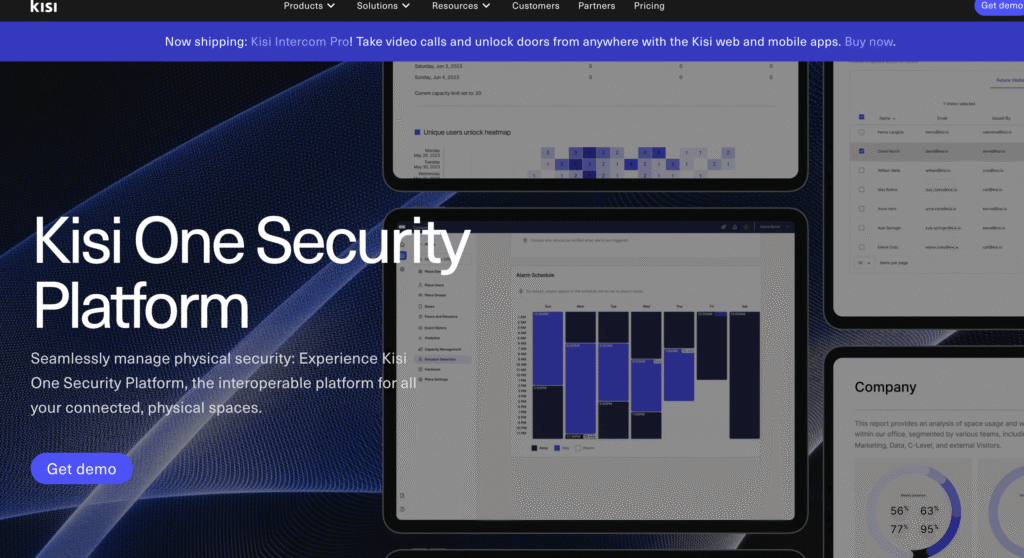
Key capabilities include:
- Mobile-based access credentials
- Remote access management across multiple locations
- Real-time activity tracking
- Integration with workplace tools
For startups and growing businesses, Kisi provides a simple yet scalable solution that aligns with modern work environments.
2. Coram – AI-Driven Unified Access Control
Coram stands out by combining access control with real-time intelligence and video integration. Instead of treating access control as a standalone function, it connects it with broader security systems to provide full visibility.
Coram’s Access Control Management System is designed to work with existing infrastructure, allowing businesses to upgrade without replacing hardware. This is particularly valuable for organizations looking to modernize without incurring high costs.
The platform enables centralized control over doors, users, and permissions while also offering real-time monitoring of access events. By integrating access control with video data, teams can verify activity instantly and respond faster to potential risks.
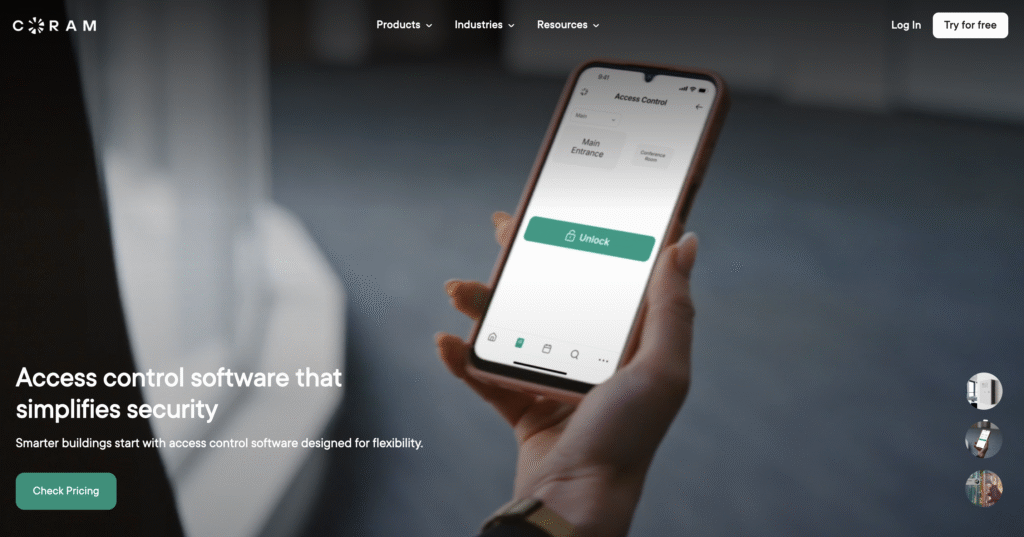
Key capabilities include:
- Cloud-based management of access permissions
- Integration with existing hardware and IP cameras
- Real-time alerts and monitoring
- Unified platform combining access control and video analytics
This approach makes Coram ideal for businesses that want intelligent security without operational complexity.
3. Brivo – Scalable for Enterprise Operations
Brivo is widely used by enterprises that need a reliable and scalable cloud-based access control system. It supports large deployments across multiple locations while maintaining centralized control.
The platform allows businesses to manage permissions remotely, track access events, and integrate with other security systems. Its scalability makes it suitable for organizations with complex operational needs.
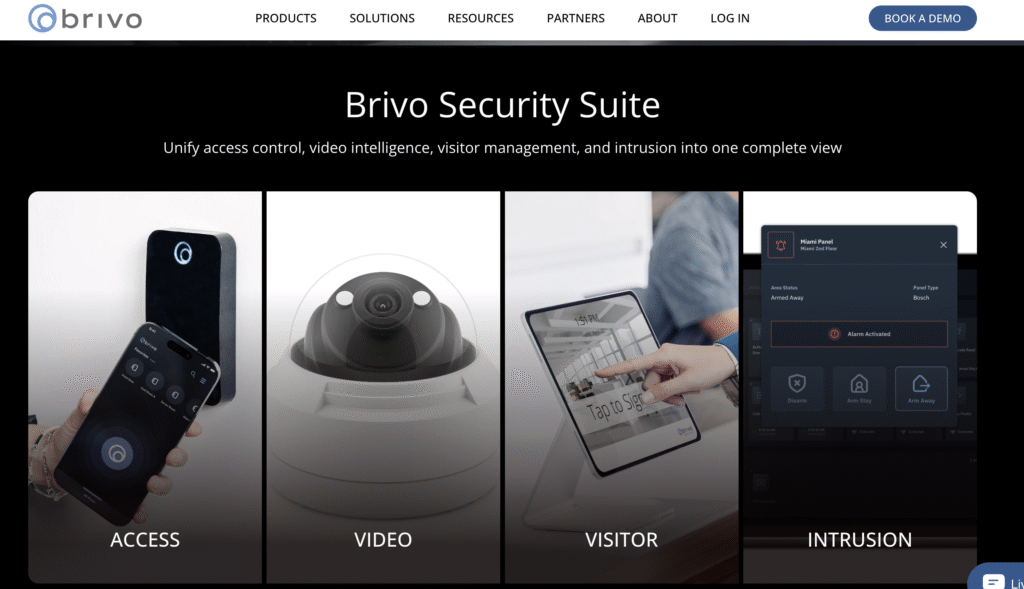
Key capabilities include:
- Cloud-based management for multi-location businesses
- Remote monitoring and control
- Integration with security and building systems
- Detailed reporting and analytics
Brivo is a strong choice for enterprises that require both scale and reliability.
4. Openpath (Avigilon Alta) – Seamless Mobile Access Experience
Openpath focuses on creating a frictionless entry experience using mobile technology. Employees can unlock doors using their smartphones, eliminating the need for physical cards.
This improves both convenience and security. Encrypted credentials and touchless access reduce the risk of lost or stolen cards while enhancing user experience.
Key capabilities include:
- Mobile-based and touchless access
- Encrypted credentials for security
- Fast and seamless entry experience
- Integration with video systems
Openpath is particularly useful in environments where speed and user experience are critical.
5. HID Global – Enterprise-Grade Security Infrastructure
HID Global is one of the most established names in access control. It offers a wide range of solutions, from traditional card-based systems to modern mobile and cloud-based options.
Its strength lies in flexibility. Businesses can choose solutions based on their specific needs while maintaining high security standards.
Key capabilities include:
- Support for multiple credential types
- Strong encryption and authentication
- Global enterprise support
- Scalable infrastructure
HID is ideal for organizations that require robust, enterprise-grade security systems.
6. Honeywell – Integrated Building Security Systems
Honeywell provides access control solutions as part of a broader building management system. This makes it suitable for large facilities that need centralized control over multiple security components.
The system integrates access control with surveillance, alarms, and environmental monitoring, creating a unified security environment.
Key capabilities include:
- Integration with building management systems
- Centralized monitoring across facilities
- Scalable architecture
- Compliance-focused features
Honeywell is a good fit for organizations that want access control as part of a larger operational ecosystem.
7. LenelS2 – Advanced Security for High-Risk Environments
LenelS2 is designed for organizations that require advanced security capabilities. It is commonly used in high-security environments such as government facilities and large enterprises.
The platform combines access control with video surveillance and analytics, providing a comprehensive security solution.
Key capabilities include:
- Advanced access control and monitoring
- Integration with video and analytics systems
- Scalable for complex environments
- Strong compliance and audit support
LenelS2 is ideal for organizations that prioritize security at the highest level.
Key Takeaways
- Over 60% of security breaches involve internal access misuse, making modern access control critical
- Traditional systems cannot scale with hybrid work and multi-location businesses
- Cloud-based access control systems provide centralized visibility and control
- AI-driven platforms improve real-time monitoring and response
- Integration with video and other systems enhances overall security
- Modern systems reduce operational costs and improve efficiency
- Choosing the right system depends on scalability, integration, and ease of use
FAQs
What are access control systems?
Access control systems manage who can enter specific areas within a facility using credentials such as cards, mobile devices, or biometrics.
Why are traditional systems outdated?
They rely on manual processes, lack scalability, and do not provide real-time insights or integration with modern tools.
What should businesses look for in 2026?
Cloud-based management, real-time monitoring, AI capabilities, and integration with other systems.
Can modern systems work with existing hardware?
Yes. Many solutions are designed to integrate with existing infrastructure, reducing upgrade costs.
Which system is best for growing businesses?
Cloud-based systems with centralized control and scalability are the best fit for growing organizations.
Conclusion
Access control is no longer just about restricting entry.
In 2026, it is about visibility, intelligence, and scalability.
The systems listed above represent a shift toward smarter security solutions that help businesses operate more efficiently while reducing risk. Whether you are a startup or a large enterprise, investing in the right system can improve security, streamline operations, and support long-term growth.
The real question is: are you still relying on outdated systems, or are you ready to upgrade to smarter security?


