
Karishma Gupta
-
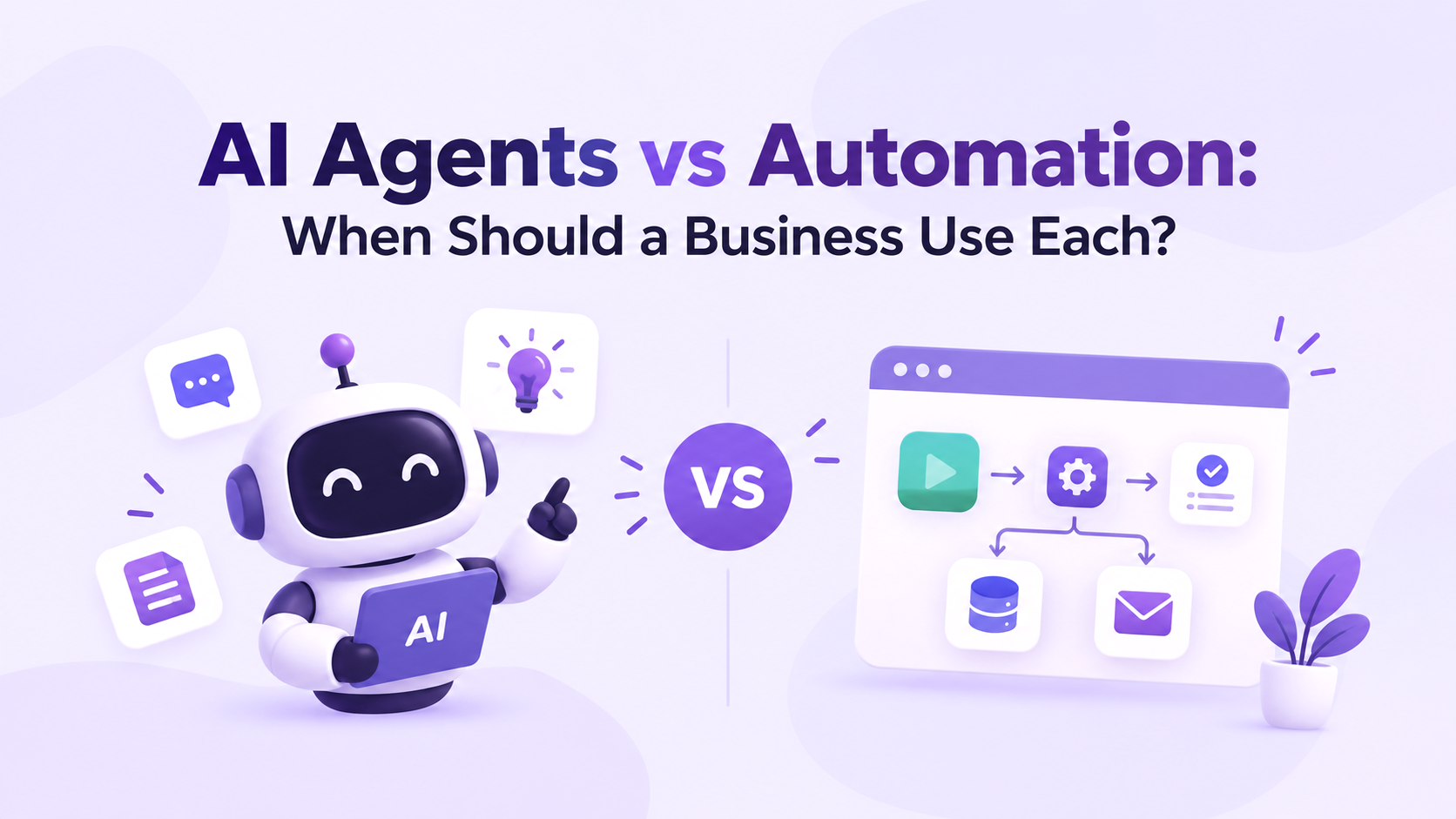
AI Agents vs Automation: When Should a Business Use Each?
A workflow that processes 5,000 invoices a month does not necessarily need an AI agent. A support team handling unusual complaints, incomplete customer details and changing policies may need more than a fixed sequence of rules. Choosing the wrong approach…
-
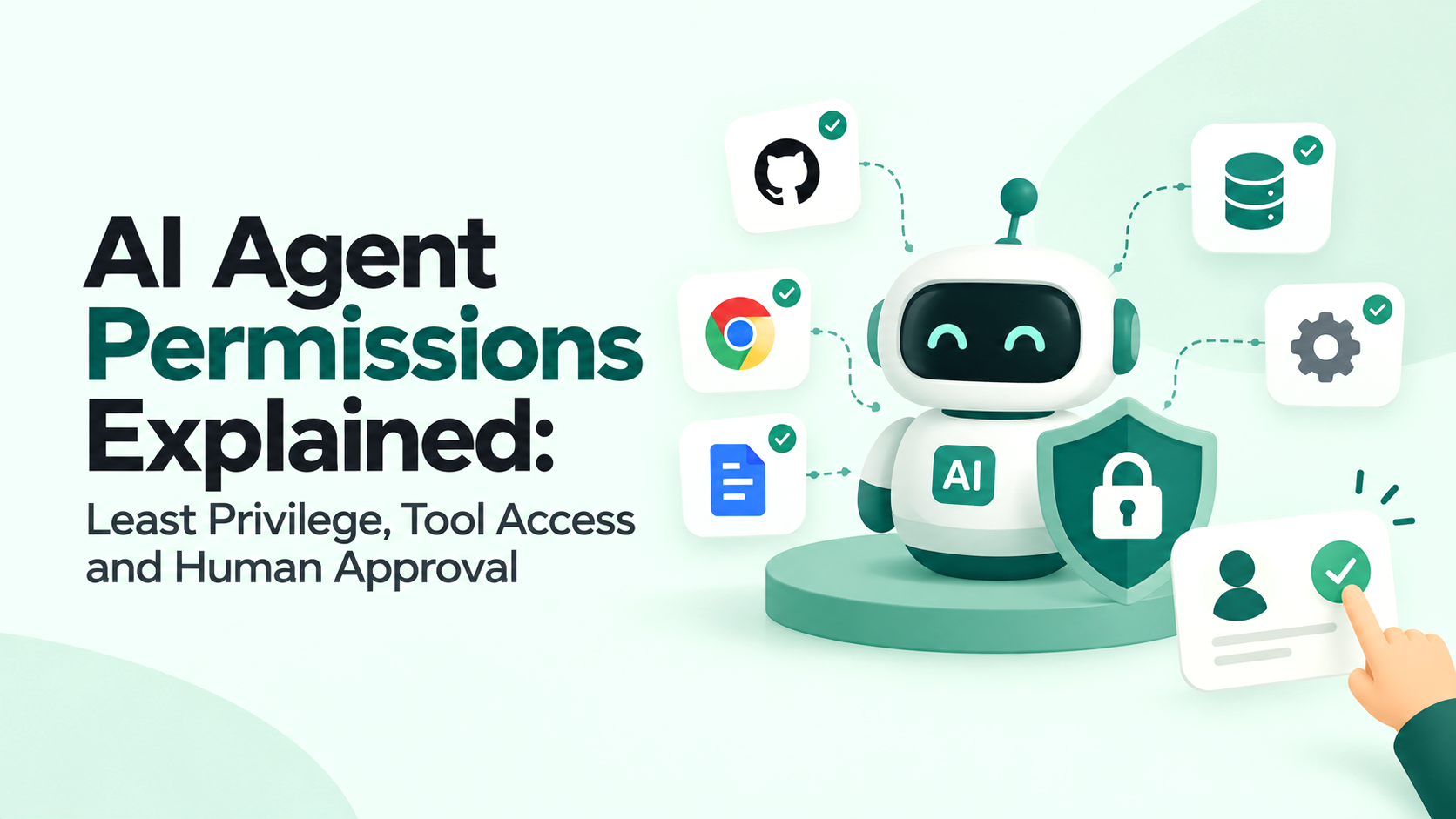
AI Agent Permissions Explained: Least Privilege, Tool Access and Human Approval
An AI agent that can read a customer record does not necessarily need permission to edit it. An agent that drafts an email should not automatically be able to send it. Yet these boundaries can disappear when a system gives…
-
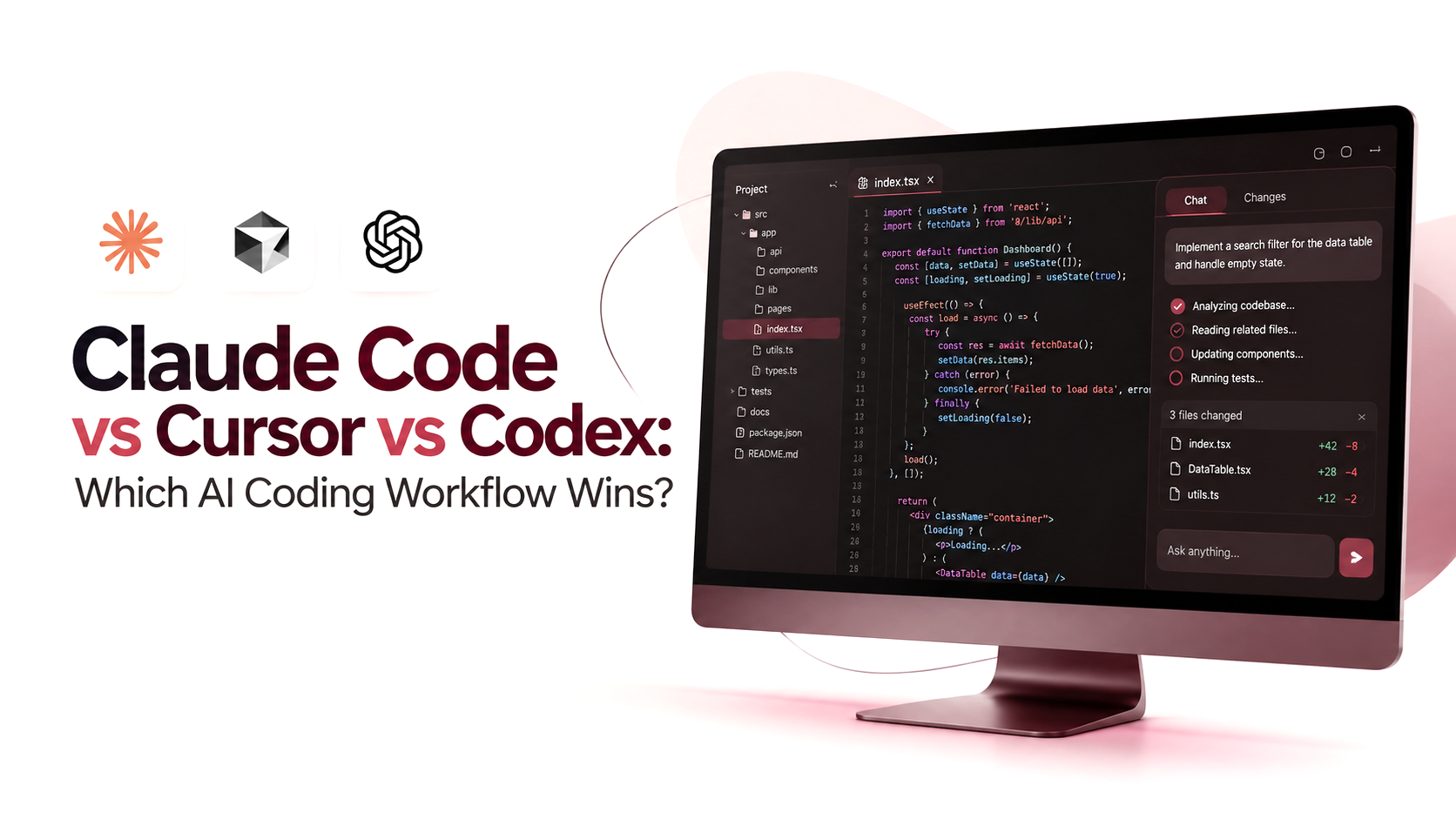
Claude Code vs Cursor vs Codex: Which AI Coding Workflow Wins in 2026?
Choosing an AI coding tool is no longer just about which model writes better code. The bigger question is how you want to work: inside an editor, through a terminal, or by delegating tasks to an agent that can work…
-
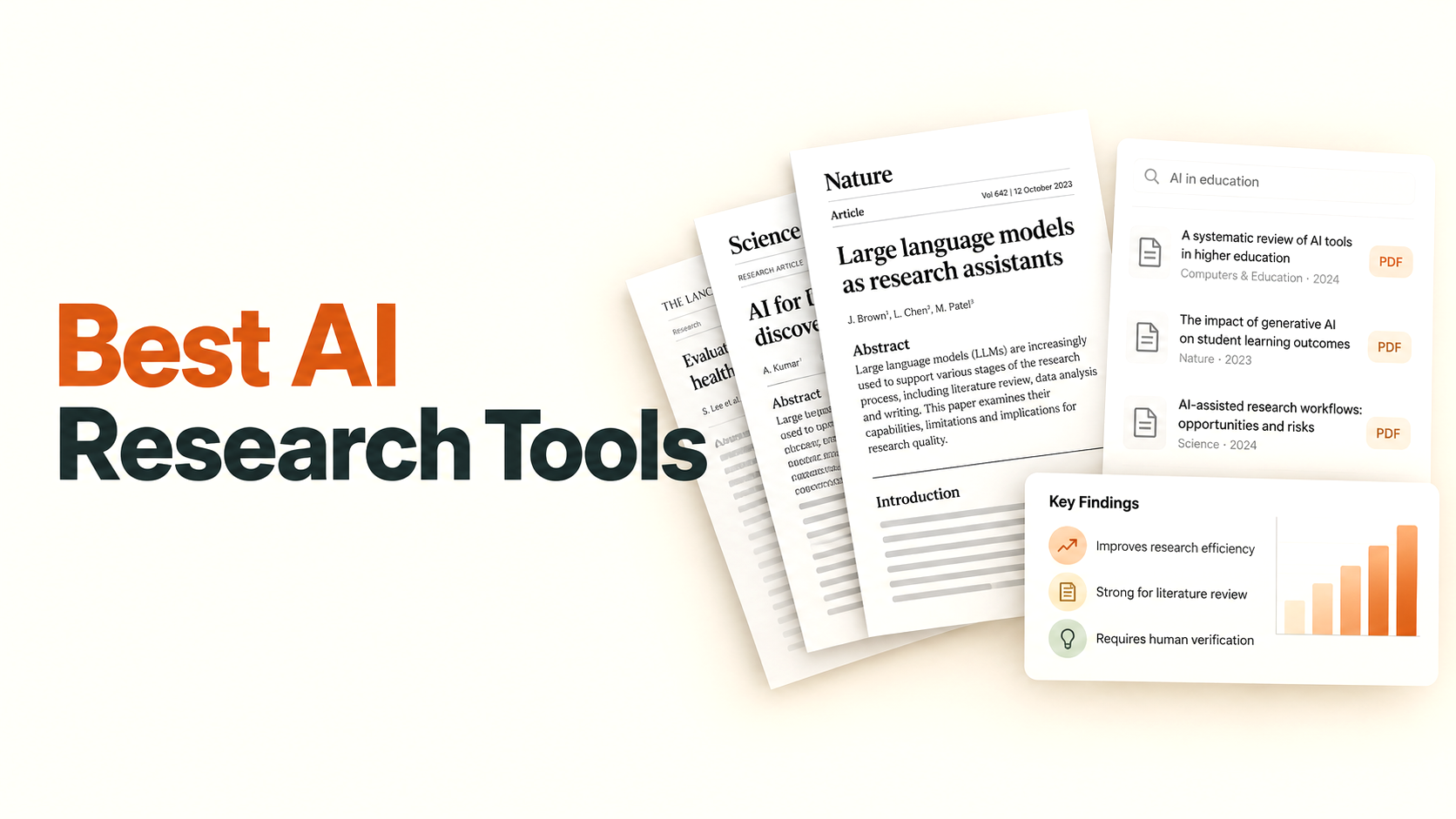
Best AI Research Tools in 2026: Which Tool Is Best for Each Research Task?
The best AI research tool depends on where your evidence comes from. Perplexity is designed for web research, Consensus and Elicit focus on academic literature, NotebookLM helps you work with selected sources, and Scite adds context about how research papers…
-
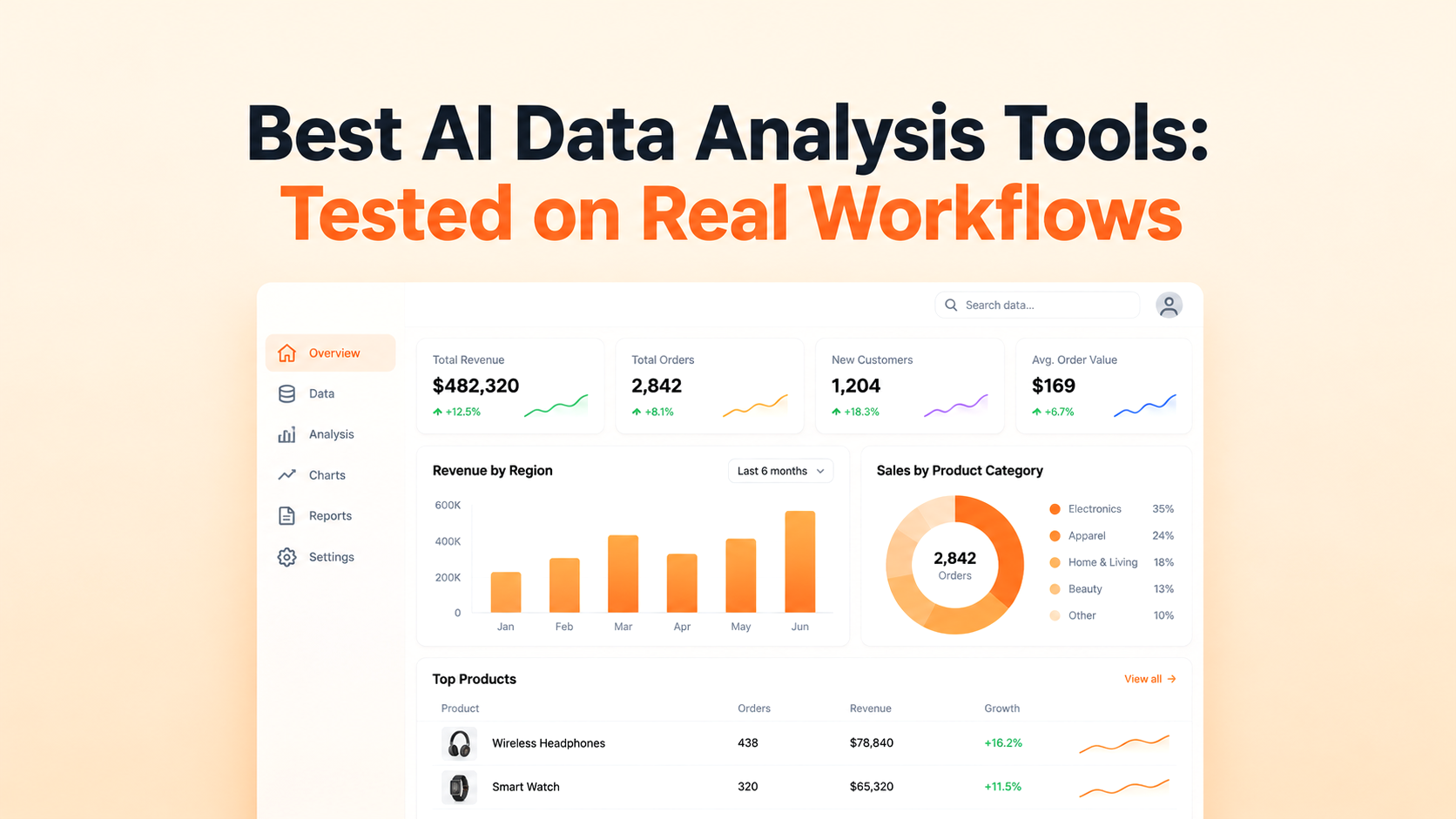
Best AI Data Analysis Tools in 2026: Tested on Real Workflows
The best AI data analysis tool depends on where your data lives and what you need to do with it. ChatGPT can analyse uploaded datasets using Python, Microsoft Copilot works within Excel, Gemini supports analysis in Google Sheets, and Julius…
-
Top 10 AI UGC Video Generator Platforms of 2026
A DTC brand can now turn a product page into a UGC-style video without booking a creator, arranging a shoot, or waiting days for editing. The harder part is choosing a platform that can support the full performance-creative workflow. Marketers…
-
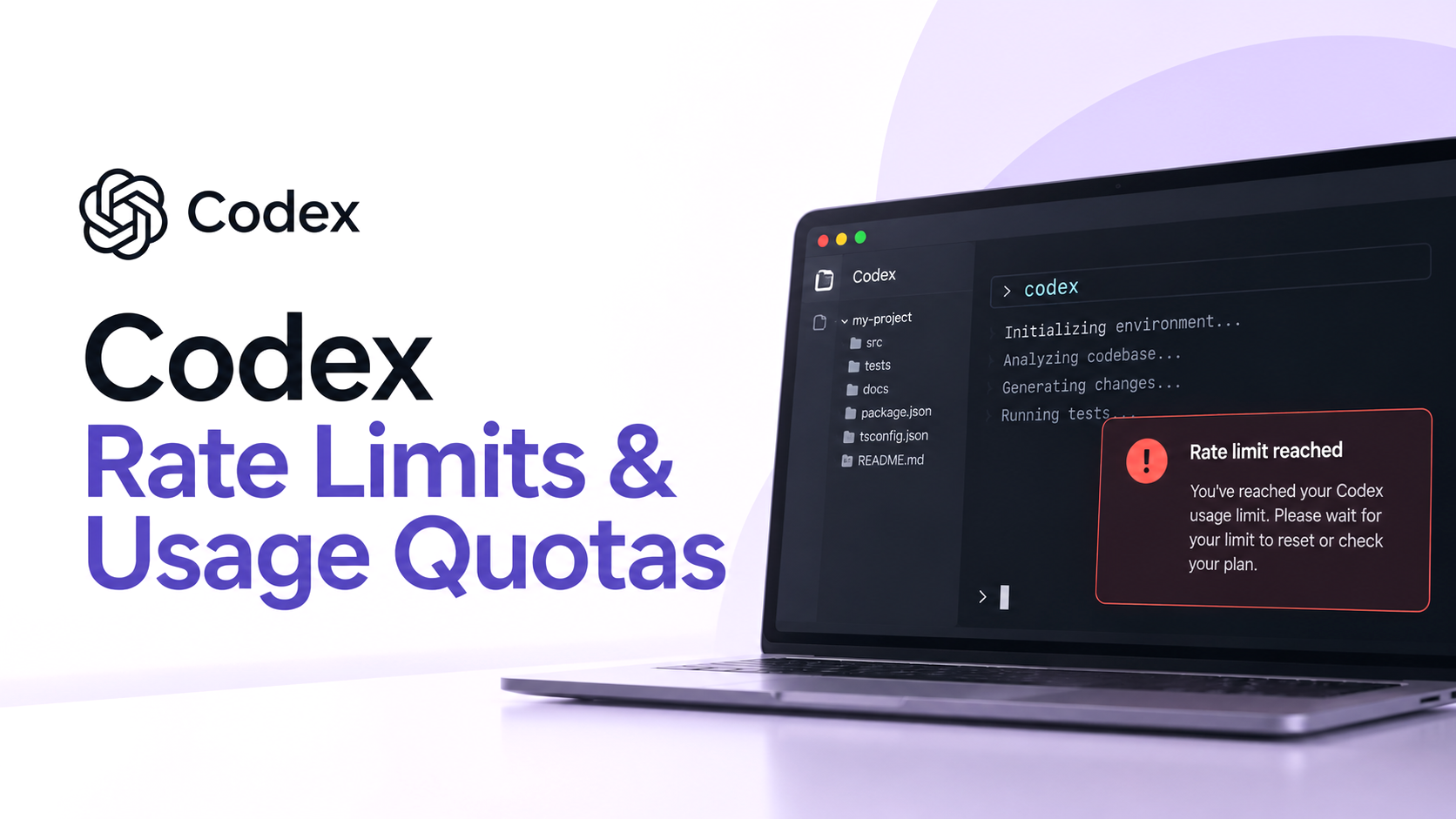
Codex Rate Limits & Usage Quotas Explained (2026)
Codex usage in 2026 is not controlled by one fixed message quota. Your available usage depends on your ChatGPT plan, the Codex model you use, the complexity of your task, whether the task runs locally or in the cloud, and…
-
Top 10 Open Source AI Platforms to Add to Your Tech Stack
Building an AI application involves more than choosing a language model. Developers also need tools for model training, inference, data retrieval, application development, and monitoring. Open source AI platforms provide components for these tasks, allowing teams to customize their technology…
-
Best Open Source Grok Bot Alternatives in 2026
Grok Bot offers an AI teammate that can work on tasks using its own computer environment. However, users who want more control over their models, infrastructure, and data may prefer an open-source alternative. Several projects now support persistent AI agents,…
-
OpenAI Dots: Features, Use Cases, Pricing and What to Know
OpenAI Dots are a new type of always-on AI agent designed to work toward a user’s goals instead of waiting for a prompt every time. OpenAI introduced Dots at DevDay on September 29, 2026, describing them as agents that can…