LLM Observability & Evals
-
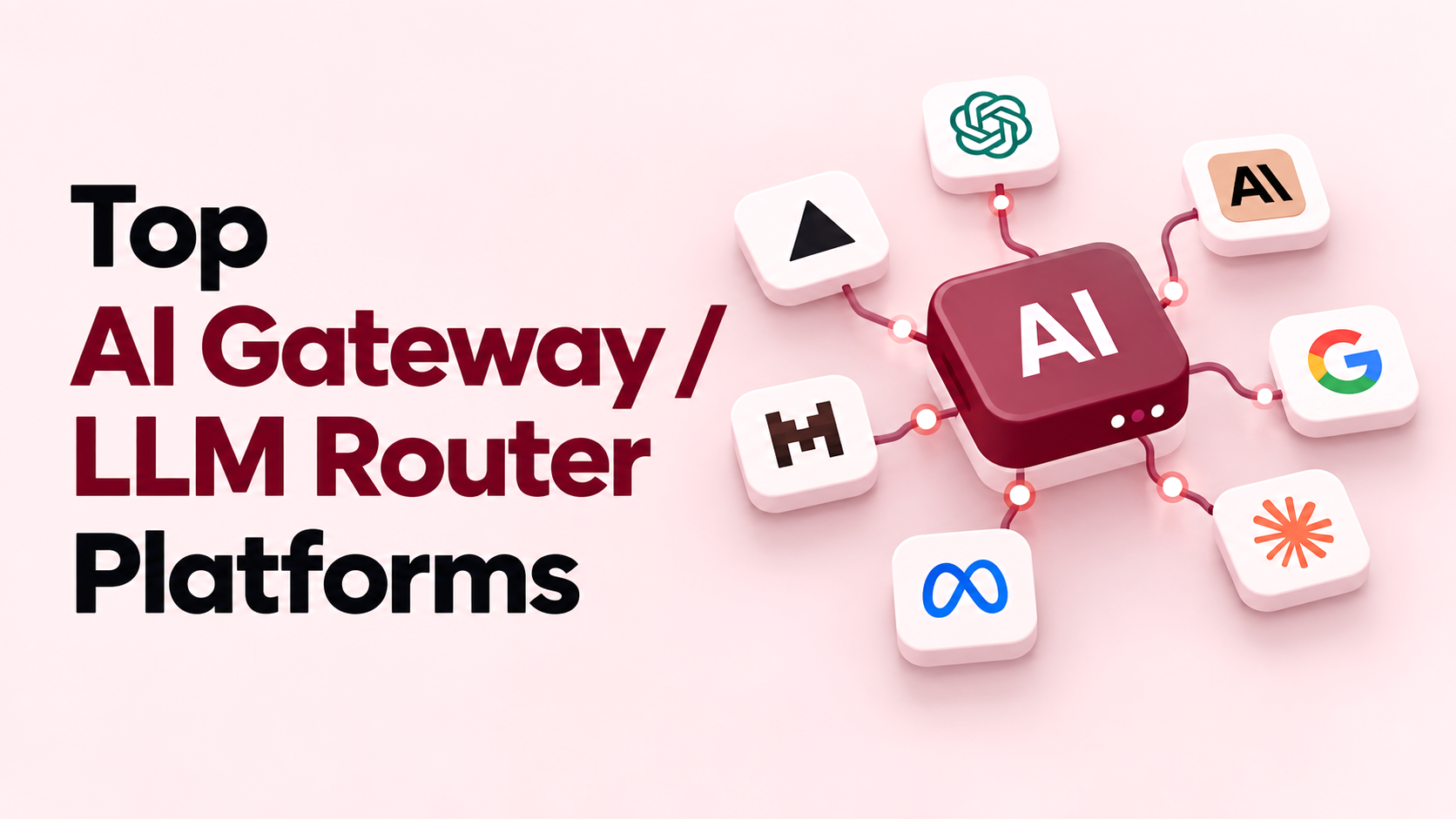
Top 10 AI Gateway / LLM Router Platforms of 2026
AI applications rarely stay tied to one model provider for long. A production application may use one model for reasoning, another for fast responses, and a third for lower-cost background tasks. As those models, prices, rate limits and providers change,…
-
Top 10 LLM Observability Platforms of 2026
A green dashboard can hide a broken AI system. The model answered, the API returned 200, and the agent still chose the wrong tool. That is why production AI needs more than conventional application monitoring. Modern LLM applications can involve…
-
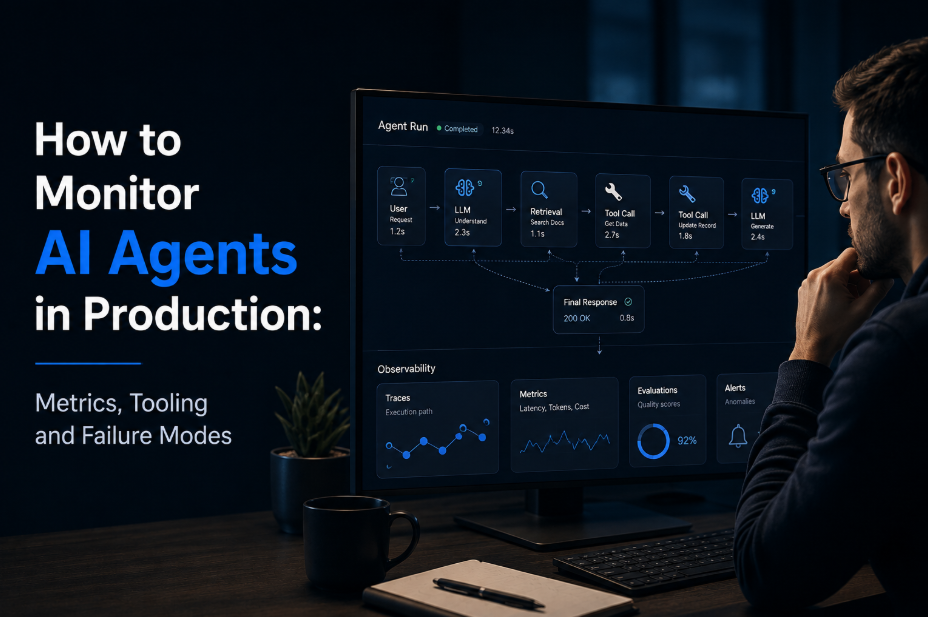
How to Monitor AI Agents in Production: Metrics, Tooling and Failure Modes
AI agents are harder to monitor than chatbots for one simple reason: there is much more happening between the user’s request and the final answer. A chatbot might receive a question, call an LLM, and return a response. An agent…
-
LLM Observability RFP Template: 47 Questions to Ask Vendors
Choosing an LLM observability platform is not just a matter of comparing dashboards. One vendor may give you detailed traces. Another may be stronger at evaluations. A third may have better integrations with your existing stack. The problem appears when…
-
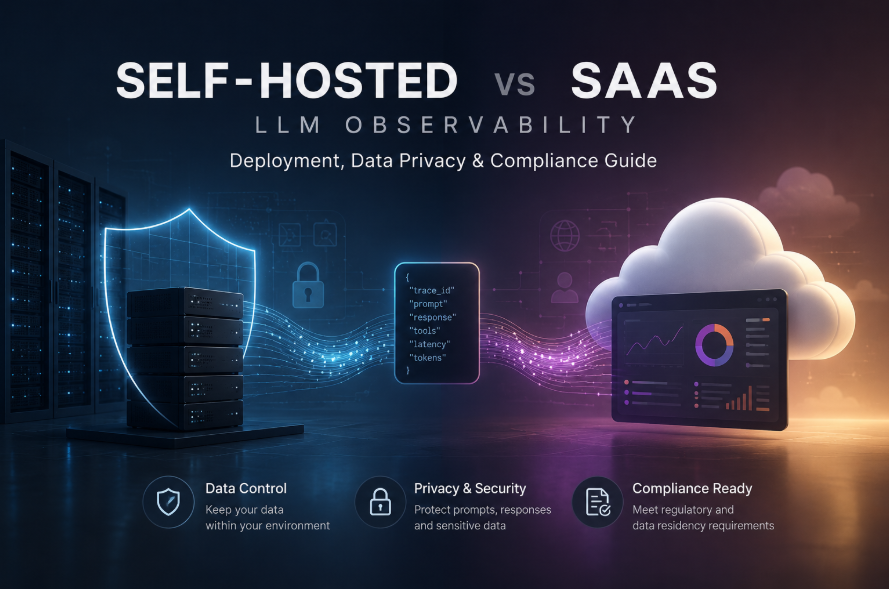
Self-Hosted vs SaaS LLM Observability: Deployment & Compliance Matrix
Your AI application may be running inside your own cloud account, but that doesn’t necessarily mean your observability data is. A trace can contain much more than latency and token counts. Depending on how the application is instrumented, it may…
-
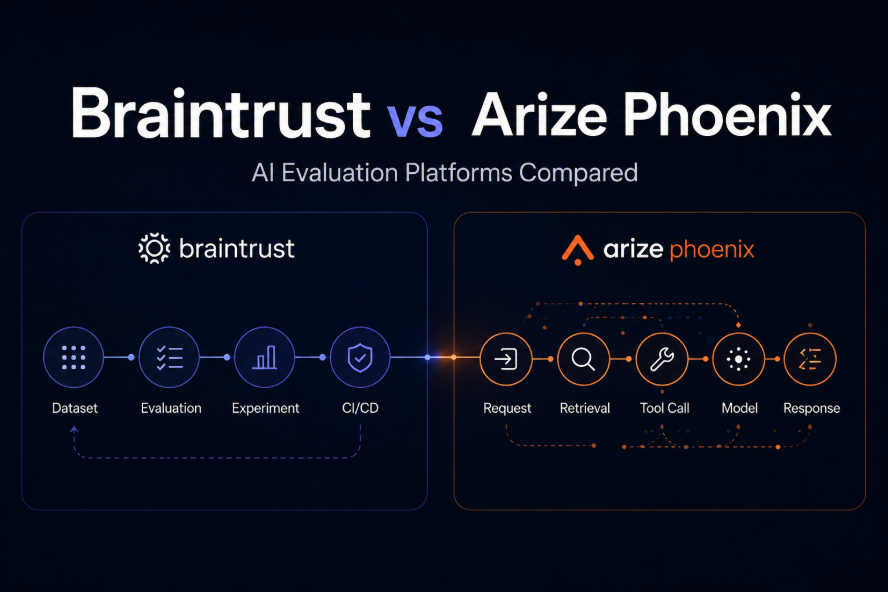
Braintrust vs Arize Phoenix: Evaluation Platforms Compared
Choosing an LLM evaluation platform gets confusing once you look past the feature lists. Braintrust and Arize Phoenix both let teams evaluate AI applications, work with datasets, run experiments, and inspect what happens during LLM application runs. Braintrust and Arize…
-
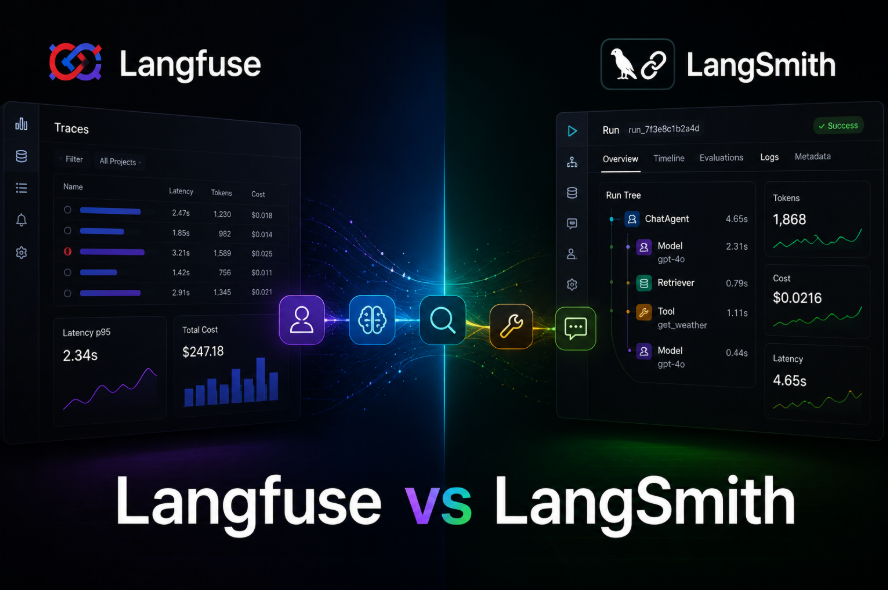
Langfuse vs LangSmith: Which LLM Observability Stack Fits Production?
Two LLM observability platforms can show you traces, evaluate model outputs, and track what happens inside an AI application, yet feel completely different once you actually build with them. That difference matters more in production than it does in a…
-
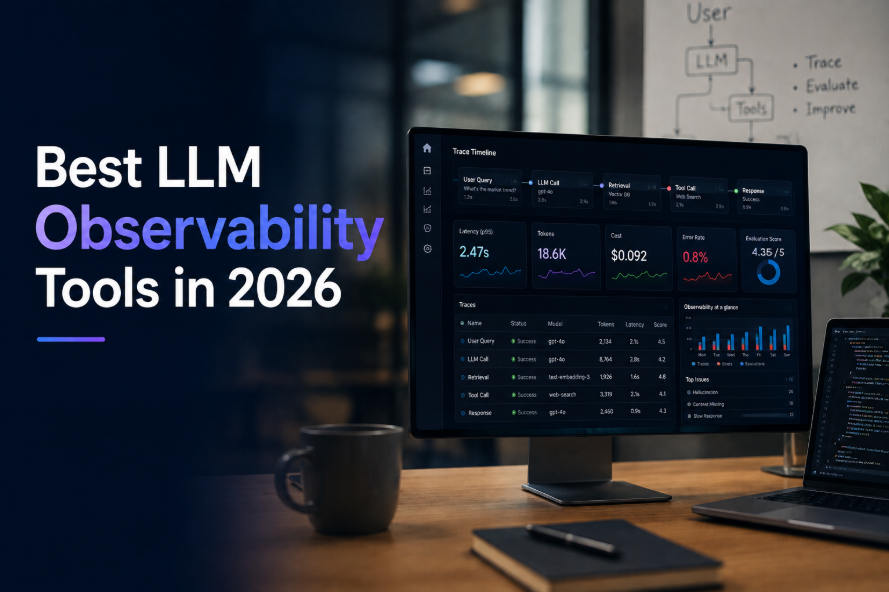
Best LLM Observability Platforms for Production AI Systems
An AI application can return a perfectly normal response and still have something seriously wrong underneath. Maybe the model is taking too long to answer. Maybe token usage has quietly doubled. A RAG application could be pulling irrelevant documents, or…