

Type “skincare” into most influencer databases, and you’ll get a wall of accounts with half a million followers, perfect lighting, and a rate card to match. Every other brand in your category got the same list this morning.
Here’s the thing, though. If you sell a fragrance-free moisturizer, the creator you want probably isn’t on that list at all. She’s a pediatric nurse with 11,000 followers who films her routine after night shifts, and her comments are full of people asking where to buy what she uses.
Finding her is the hard part. So this isn’t a ranking of who has the biggest database (they all claim hundreds of millions of profiles now). It’s a look at which tools actually help you get to creators like her, and what each one leaves for you to do by hand.
Short version: Modash for deep search, HypeAuditor if you’ve been burned by fake followers, Hypefy if your team wants the campaign run end to end, and Instagram’s own marketplace if the budget is zero.
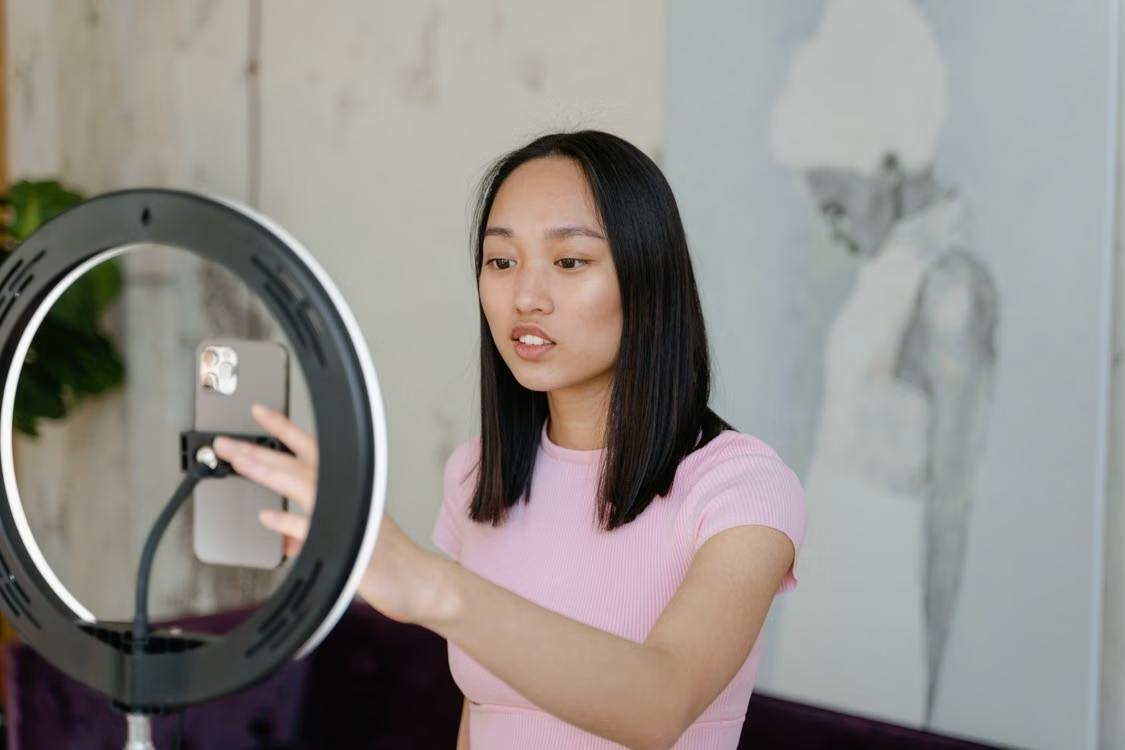
Photo by MART PRODUCTION on Pexels
Why Niche Creators Are Harder To Find Than They Used To Be
More money is chasing the same accounts. TheInfluencer Marketing Hub Benchmark Report put the industry at around $32.55 billion for 2025, and Instagram is still where most brands spend. When everyone filters by follower count first, the top results get flooded with pitches and stop replying.
What brands ask creators for has changed too. Statusphere looked at thousands of campaigns and found 87% of requested micro-influencer content was short-form video, according to itsmicro-influencer benchmarks. A pretty grid doesn’t tell you much anymore. Can the person hold attention for 30 seconds in a Reel? That’s the real question.
The Tools At A Glance
|
Tool |
Good Fit For |
Discovery Style |
What Else It Does |
|
Modash |
Big searches, lookalikes |
Filters plus lookalike search |
Tracking, Shopify link-up |
|
HypeAuditor |
Checking audience quality |
AI search, quality scores |
Campaign tools, reports |
|
Hypefy |
Small teams, micro-creators |
Matching from a written brief |
Outreach, hiring, content review, payouts, reporting |
|
Upfluence |
Online stores |
Search plus customer matching |
CRM, affiliate tracking |
|
Heepsy |
Tight budgets |
Category and location filters |
Lists, exports |
|
Influencity |
Agencies |
Filters with audience data |
Roster management |
|
Instagram Creator Marketplace |
Free testing |
Search inside the app |
DMs, partnership ads |
|
Collabstr |
One-off content |
Creators list fixed packages |
Ordering and delivery |
Pricing moves around a lot, so we’ve left it out. Check the current plan against how many creators you’ll realistically contact each month.
Eight Tools Worth A Trial
1. Hypefy
Instead of building filters, you write a brief about the product and who buys it, and AI agents pull matching creators from Instagram and TikTok. For teams that don’t have an afternoon to spare, it’s an easy way tofind Instagram influencers without living inside a search screen.
Where Hypefy earns its keep is after the match: outreach, hiring, reviewing content before it goes live, paying creators, and tracking results all happen in one place. Franchises and small brands juggling 30 or 40 micro-creators get the most out of that. If you just want a raw list to dump into your own CRM, a pure database will suit you better.
2. Modash
If you only need search, start here. The filters go further than most (audience age and country, follower growth, words in bios and captions), and the lookalike feature is the one we’d point niche hunters to. Find a single creator who’s exactly right, ask for more like them, and you skip a lot of keyword guessing.
3. HypeAuditor
HypeAuditor made its name spotting fake followers, and honestly that’s still the best reason to use it. Its audience quality score catches bought followers and engagement pods that look fine at a glance. The interface takes a bit of getting used to.
4. Upfluence
Built with online stores in mind. Our favorite feature is a small one: it scans your customer list for buyers who already post content. Those people already like the product, which is half the battle.
5. Heepsy
Cheap, simple, does the basics well. You get filters for location, category, engagement, and authenticity. Outreach and tracking are mostly on you.
6. Influencity
Agencies tend to like Influencity because discovery and roster management sit together, and the reports are tidy enough to send straight to a client.
7. Instagram Creator Marketplace
Meta’s own option lives in the Instagram app and costs nothing. Creators who sign up have already said they want brand deals, so reply rates can be good. The catch? Audience data is thin, and it isn’t available in every country.
8. Collabstr
Think of it as a shop window. Creators post packages with prices – you click and buy. Great for a quick batch of content, not really built for long partnerships. And if it’s only the footage you’re after, compare it with theAI UGC video generators we tested a few weeks ago. Sometimes that’s the cheaper test.
A Three-Signal Check Before You Message Anyone
No tool can promise a creator’s followers will buy. What you can do is spend ten minutes per profile on three checks we’ve found to catch most bad picks.
Where The Audience Lives
Sounds obvious. It gets skipped constantly. A creator with 40,000 followers is worth less than one with 8,000 if most of those 40,000 live somewhere you don’t ship.
What The Comments Say
Scroll the last five posts and read 30 or so comments. “Does this work on oily skin?” is a buyer talking. A row of fire emojis is not, no matter what the engagement rate says.
Whether They Actually Make Reels
Some creators post one Reel a month and lots of photos. If your brief needs video, look at their last few Reels and see if those do better than their static posts. If they don’t, keep looking.
A Quick Way To Run A Niche Search
- Describe your customer in one sentence, including a problem they have.
- Turn that problem into a few phrases a creator might write in a caption.
- Filter to 5,000 to 50,000 followers, the right countries, and a minimum authenticity score.
- Save 30 profiles, run the three checks, keep about 10.
- Message each one about a specific post of theirs. Not a template.
Picking The Right One
Ask yourself where your time actually goes. If it’s the search itself, Modash or Heepsy. If fake audiences keep eating budget, HypeAuditor. If finding people is fine but the outreach, contracts, and invoice chasing drag on for weeks, something end-to-end like Hypefy or Upfluence will save more hours than a smarter filter ever could.
Also think about what it plugs into. Coruzant’s overview ofthe marketing tech stack in 2026 makes a fair point that a new tool needs to connect with what you already run, or it turns into one more password. There are more options in ourAI marketing tools section if none of these fit.
Conclusion
Database size stopped being a useful way to compare these tools a while ago. What counts is how quickly a tool gets you to 10 artists whose following resembles your target audience and how much effort it relieves you of after that.
Our opinion is that an AI-run platform should be used when a small staff has to manage the entire campaign, Modash for search depth, HypeAuditor for vetting, and Upfluence for retailers that desire affiliate monitoring. Whichever you choose, do the three checks first. They’re dull, they take ten minutes, and they’ll save you from most of the campaigns that “didn’t work.”


