

Market research has always been about understanding people what they want, what they buy, and why they choose one brand over another but in 2025, everything moves so quickly that traditional research techniques simply can’t keep up with real-time consumer behavior, competitive shifts, and rapid market changes. Businesses today deal with more data than ever before, and without automation or intelligent insights, they end up spending hours just collecting information instead of actually making decisions.
This is exactly where AI tools for market research have become a game-changer. These platforms don’t just gather data; they analyze patterns, predict trends, track competitors, and surface insights automatically, helping brands make smarter decisions with less effort. Whether you’re trying to understand your target audience, compare competitors, or track market opportunities, AI-powered solutions save time while delivering faster, deeper, and truly actionable insights.
In this blog, you will discover the Top 10 AI Tools for Market Research & Competitive Intelligence in 2025, learn how they work, understand their best features, and get a complete guide on choosing the right one for your business. You’ll also find tool comparisons, FAQs, internal links, and everything you need to make an informed decision.
Table of Contents
What Are AI Tools for Market Research?
AI tools for market research are advanced platforms that use technologies like machine learning, NLP (natural language processing), predictive analytics, and automated data enrichment to gather, analyze, and interpret market data. Instead of manually collecting competitor data, browsing reports, or analyzing spreadsheets, these tools automatically scan millions of data points websites, search engines, customer reviews, surveys, social media, keywords, and more and convert them into clean insights.
These tools help businesses with:
- Competitor analysis
- Audience segmentation
- Trend forecasting
- Industry benchmarking
- Real-time competitor tracking
- Keyword clustering and market gap identification
- Predictive customer insights
In short: they turn raw data into intelligence.
Why AI Tools for Market Research Are Essential in 2025
2025 is the year where AI is no longer optional it's a necessity. Consumer attention spans are shorter, new competitors are emerging every month, and industries are evolving faster than ever. Manual research cannot catch up.
Here’s why AI-powered market research tools have become essential:
- They eliminate guesswork and provide data-backed decisions.
- They track competitors in real time, from pricing to content to ads.
- They analyze thousands of keywords at once to reveal ranking opportunities.
- They predict future trends with machine learning models.
- They reduce workloads, replacing hours of research with automated insights.
- They improve accuracy, fixing human bias and overlooked opportunities.
In a world driven by data, automation, and intelligence, AI market research software gives companies a competitive edge that manual work simply cannot match.
Comparison Table: Top 10 AI Tools for Market Research & Competitive Intelligence
| Tool / Product | Pricing | Best For | Key Feature |
|---|---|---|---|
| Similarweb Digital Intelligence | Starting $125/mo | Market research, competitor traffic analysis | Real-time market intelligence |
| Semrush Market Explorer | $129.95/mo+ | Marketing teams, keyword research | Competitor keyword & market insights |
| Crayon | Custom Pricing | Enterprise CI teams | Competitor tracking automation |
| Klue | Custom Pricing | B2B companies | AI-powered competitive battlecards |
| AlphaSense AI | Starting $149/mo | Investors, enterprises | AI-driven market reports |
| Statista GPT | $39/mo | Data researchers | AI-generated market insights |
| Kompyte | Custom Pricing | SaaS companies | Competitor monitoring automation |
| SpyFu AI | $39/mo | SEO teams | Competitor keyword intelligence |
| Wynter AI | $99/test | B2B marketers | Audience message testing |
| Coefficient AI | Free + Premium | Data automation teams | AI data enrichment |
Top 10 AI Tools for Market Research & Competitive Intelligence (2025)
1. Similarweb Digital Intelligence
Website: https://similarweb.com
Overview
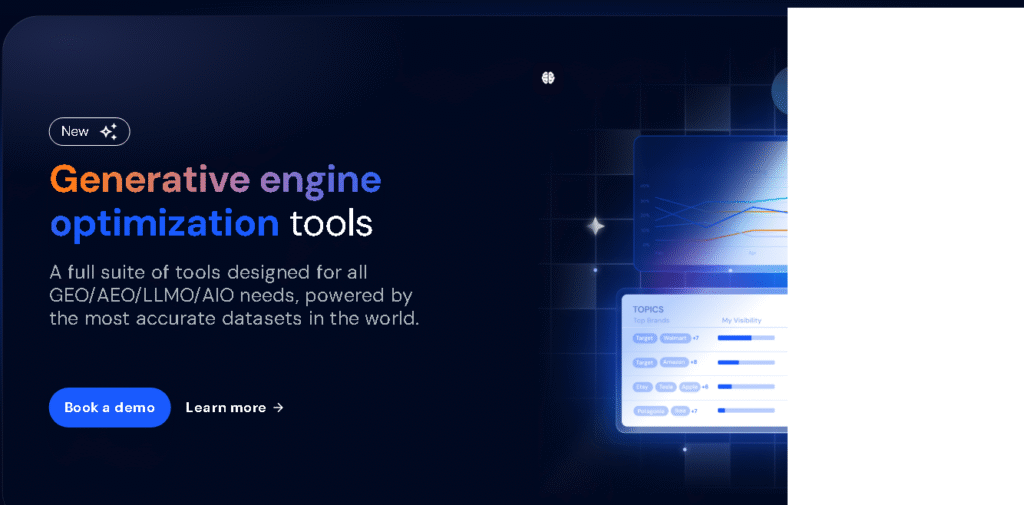
Similarweb is one of the most powerful AI tools for market research because it provides real-time insights into website traffic, audience behavior, industry performance, and competitor strategies. It analyzes billions of data points daily and transforms them into actionable dashboards that marketers, analysts, and founders rely on to track what their competitors are doing, what markets are growing, and where new opportunities are opening. Whether you're launching a new product or entering a new market, Similarweb gives you a complete intelligence layer.
Key Features:
- Digital market intelligence with AI-driven insights
- Competitor website and traffic analysis
- Audience segmentation & market trends
Best For:
Marketing teams, startups, growth strategists.
Pros & Cons
| Pros | Cons |
|---|---|
| Extremely accurate market intelligence | Pricing is higher for smaller teams |
| Real-time competitor tracking | Learning curve for deep reports |
| Great for large datasets | Some features require enterprise plan |
2. Semrush Market Explorer + Traffic Analytics
Website: https://semrush.com
Overview
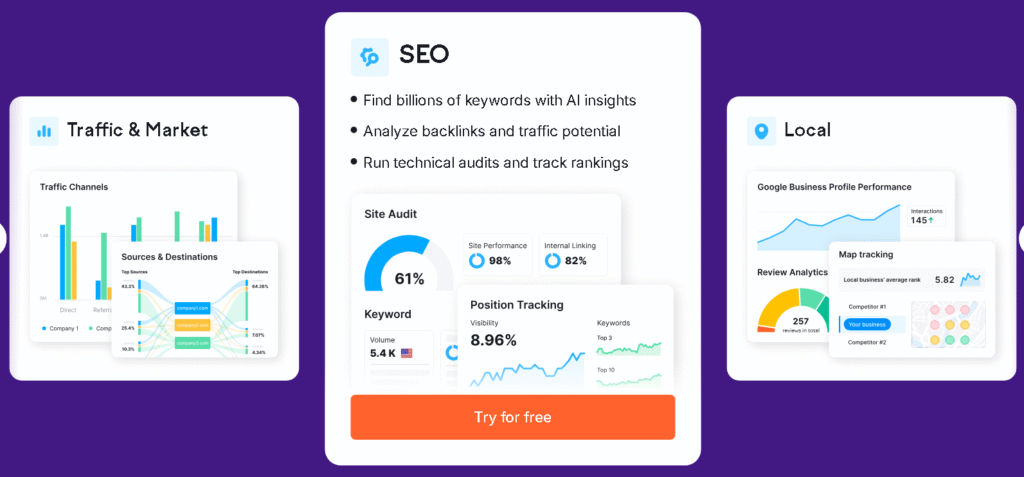
Semrush is widely known for SEO, but its Market Explorer and Traffic Analytics tools make it one of the best AI-based market research tools in 2025. It helps businesses understand their total addressable market, competitor strategies, category trends, and keyword opportunities all powered by AI-driven analysis and automated clustering. You get crystal-clear visibility into what other businesses are ranking for, spending on, and how users behave online.
Key Features:
- AI keyword clustering for competitive analysis
- Category trends & market share breakdown
- Competitor content and paid traffic intelligence
Best For:
SEO teams, marketers, agencies.
Pros & Cons
| Pros | Cons |
|---|---|
| Huge keyword & competitor dataset | Pricing increases based on limits |
| Great market visibility | Can feel overwhelming |
| Strong LSI keyword suggestions | Some advanced data requires add-ons |
3. Crayon AI Competitive Intelligence

Website: https://crayon.co
Overview
Crayon specializes in competitive intelligence software and uses AI to track competitor websites, content, product updates, pricing changes, and marketing activities. It automates the process of competitor benchmarking and turns scattered market signals into digestible insights. Teams can spot opportunities, content gaps, or strategic shifts instantly without ever manually checking competitor websites again.
Key Features:
- Automated competitor tracking
- AI-driven insight summaries
- Alerts for pricing, product, and content updates
Best For:
Enterprise CI teams, product teams.
Pros & Cons
| Pros | Cons |
|---|---|
| Best-in-class competitor monitoring | Mostly enterprise pricing |
| AI insight alerts save time | Setup needs onboarding |
| Great for B2B and SaaS | UI may feel dense |
4. Klue AI

Website: https://klue.com
Overview
Klue is a leader in AI competitive intelligence tools, offering automated competitor research and real-time battlecards that help sales teams win more deals. It extracts insights from public data, reviews, articles, and competitor content, turning them into actionable cards that explain how your product compares with others. Perfect for B2B companies who want their sales team to stay updated.
Key Features:
- AI-generated competitive battlecards
- Real-time competitor monitoring
- Content gap and positioning analysis
Best For:
Sales teams, SaaS founders, GTM teams.
Pros & Cons
| Pros | Cons |
|---|---|
| Very accurate competitor updates | Mostly enterprise-focused |
| Great for sales enablement | Requires proper integration |
| Automated insights | Pricing available on request |
5. AlphaSense AI
Website: https://alpha-sense.com
Overview
AlphaSense is one of the most advanced AI market intelligence software tools used by investors, enterprises, and analysts. It pulls insights from earnings calls, reports, financial documents, news, and internal research then uses AI to summarize and highlight only relevant information. This tool is incredibly powerful for anyone who deals with large volumes of market data and needs accurate summaries quickly.
Key Features:
- AI search across global financial documents
- Market trend prediction
- Real-time insights from millions of sources
Best For:
Investors, analysts, enterprises.
Pros & Cons
| Pros | Cons |
|---|---|
| Premium market research data | High cost |
| Great for financial intelligence | Not ideal for beginners |
| AI summarization saves hours | Mostly enterprise-oriented |
6. Statista GPT (AI Insights)
Website: https://statista.com
Overview
Statista GPT is the latest evolution of Statista’s data platform, offering AI-powered market insights that allow users to generate instant reports instead of manually searching for stats. By combining verified datasets with AI analysis, it becomes a must-have tool for researchers, marketers, and students. Whether you need market sizing, forecasts, or segmented data, Statista GPT delivers clear and reliable insights.
Key Features:
- AI-generated market summaries
- Forecasting models
- Access to Statista’s massive dataset
Best For:
Students, market researchers, analysts.
Pros & Cons
| Pros | Cons |
|---|---|
| Reliable data | Some data locked behind premium |
| Great for quick insights | Output limited to available stats |
| Easy to use | Not ideal for deep competitor tracking |
7. Kompyte AI Competitor Tracking
Website: https://kompyte.com
Overview
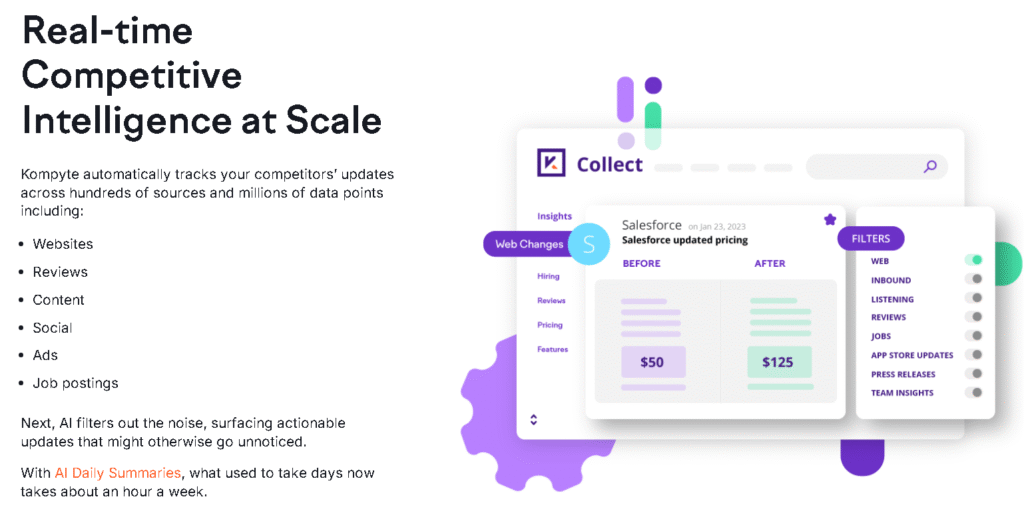
Kompyte automates competitor monitoring across multiple channels—ads, content, pricing, social media, keywords, and product updates. It uses AI to detect patterns and changes, turning competitor activities into structured intelligence. This is especially useful for companies in fast-moving industries like SaaS, where competitor actions must be monitored daily.
Key Features:
- Real-time competitor tracking
- Automated alerts
- SEO & PPC competitor insights
Best For:
SaaS teams, product teams, marketers.
Pros & Cons
| Pros | Cons |
|---|---|
| Automates manual tracking fully | Pricing on request |
| Great for competitive benchmarking | Setup takes time |
| Works well for SaaS | Some features premium-only |
8. SpyFu AI Keyword Intelligence
Website: https://spyfu.com
Overview
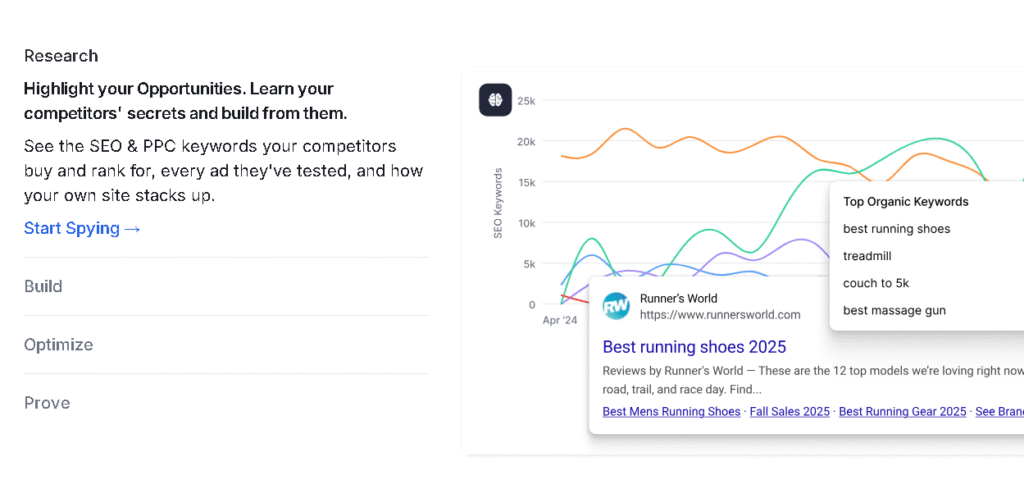
SpyFu is an excellent AI tool for competitor keyword research, helping businesses discover what their competitors are ranking for, which ads they run, and what keywords they buy. The AI features automatically cluster keywords, estimate market potential, and reveal gaps in your SEO strategy.
Key Features:
- Competitor keyword tracking
- AI keyword clustering
- Ad intelligence
Best For:
SEO marketers, bloggers, PPC teams.
Pros & Cons
| Pros | Cons |
|---|---|
| Affordable | UI looks outdated |
| Powerful keyword insights | Less detailed traffic data |
| Easy for beginners | Accuracy varies for small sites |
9. Wynter AI
Website: https://wynter.com
Overview
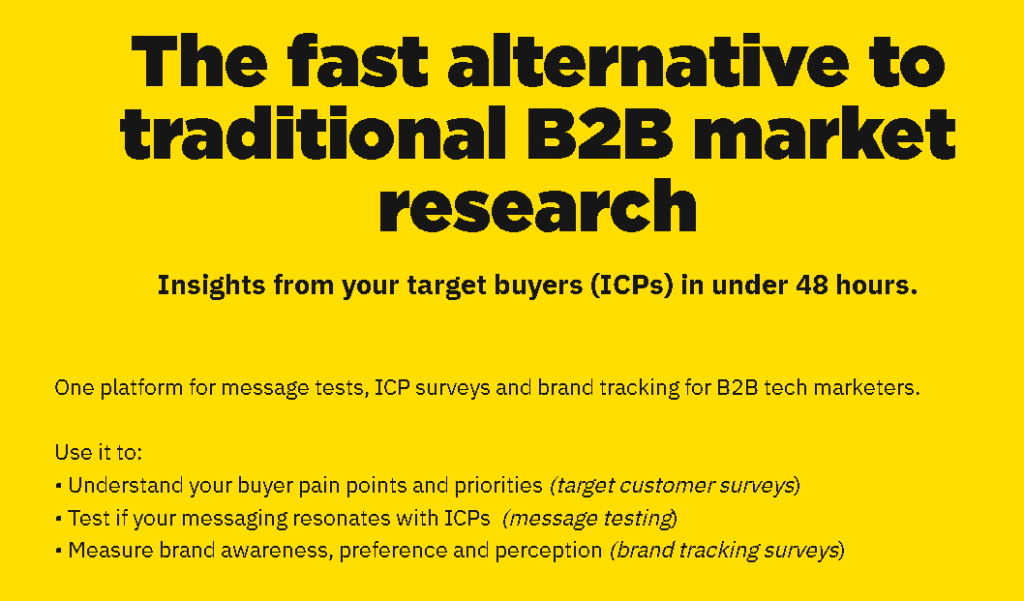
Wynter is a unique AI tool that helps companies test messaging with B2B audiences. Instead of guessing what your customers want to read, you can run quick tests where real professionals from your target industry give feedback, guided by AI analysis. This is incredibly valuable for market research, positioning, landing pages, emails, and product messaging.
Key Features:
- B2B audience feedback
- AI-powered message analysis
- Industry-specific testers
Best For:
B2B marketers, SaaS companies.
Pros & Cons
| Pros | Cons |
|---|---|
| Real audience feedback | Can get costly per test |
| Great for B2B insights | Not ideal for general consumers |
| Strong conversion insights | Limited test pool in small niches |
10. Coefficient AI
Website: https://coefficient.io
Overview
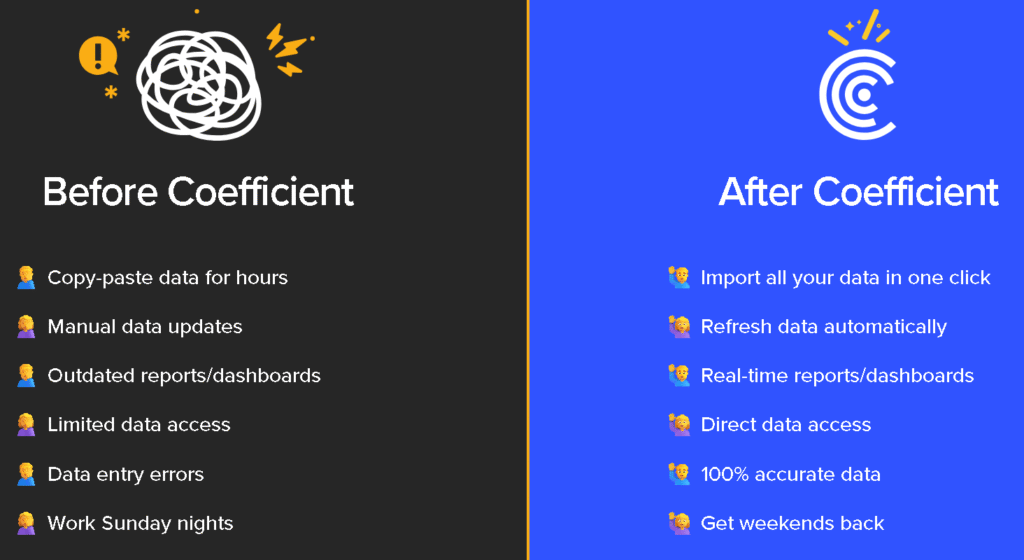
Coefficient AI turns spreadsheets into intelligent dashboards by connecting them to live data sources such as CRMs, analytics tools, and market databases. Its AI assistant analyzes your data, enriches it, and generates insights automatically perfect for teams who rely heavily on Google Sheets or Excel.
Key Features:
- AI insights inside spreadsheets
- Automated reporting
- Data enrichment
Best For:
Product teams, data analysts, startups.
Pros & Cons
| Pros | Cons |
|---|---|
| Free plan available | Depends on spreadsheet skills |
| Easy automation | Not built for deep competitor analysis |
| Fast setup | Works best with integrated tools |
Best Picks (Quick Recommendations)
- Best overall AI tool for market research: Similarweb
- Best for competitive intelligence: Crayon / Klue
- Best for SEO competitor analysis: Semrush or SpyFu AI
- Best budget-friendly option: SpyFu
- Best for analysts: AlphaSense
- Best for B2B insights: Wynter
How to Choose the Best AI Tools for Market Research in 2025
Choosing the right market research tool depends on what exactly you want to achieve. Before investing, consider:
Your business type
SaaS companies need competitor tracking like Kompyte or Crayon, while publishers or bloggers benefit more from Semrush and SpyFu.
Your goals
- Want to monitor competitors? → Klue, Crayon
- Want SEO insights? → Semrush, SpyFu
- Want market forecasts? → Statista GPT
- Want industry-wide research? → Similarweb
Your budget
Some tools cost $30/month, while others cost thousands so decide what’s realistic.
Data depth vs. simplicity
If you need deep intelligence, tools like AlphaSense shine. If you want simplicity, Statista or SpyFu works great.
Integration needs
Coefficient AI is best if you want your market research connected to spreadsheets and CRM data.
- Explore more LLM Tools for Businesses on our website.
- Check our guide on AI Tools for Digital Marketing.
- At tooljunction, we share honest AI tool reviews and tutorials to help you choose the right tools for your business.
FAQ Section
1. Which AI tool is best for market research in 2025?
The best all-rounder is Similarweb because it combines competitive intelligence, market insights, audience data, and category trends in one place. However, “best” depends on your needs Crayon is best for competitor tracking, Semrush is best for keyword insights, and AlphaSense is ideal for analysts and investors.
2. What’s the difference between competitive intelligence software and market research tools?
Market research tools help you understand customers, trends, and industries, while competitive intelligence tools focus on tracking competitor behavior, pricing updates, features, and strategies. In 2025, many platforms combine both, but their primary use case still differs slightly depending on your goals.
3. Can AI replace traditional market research completely?
AI cannot replace human interpretation, but it can automate 70–80% of the research workload, such as gathering data, comparing competitors, analyzing keywords, and predicting trends. Human expertise is still necessary to interpret insights, craft strategies, and make decisions.
4. Are AI market research tools expensive?
Not always. Tools like SpyFu and Statista GPT are affordable, while platforms like Crayon or AlphaSense are enterprise-level. The cost usually depends on the accuracy, depth, and volume of data they provide.
5. Do these tools help small businesses or only enterprises?
Yes, small businesses can benefit greatly. Affordable tools like SpyFu, Semrush, and Coefficient offer powerful insights without the high cost. AI tools help small teams compete with much bigger brands.
Conclusion
As the digital landscape becomes more competitive, using AI tools for market research is no longer optional it’s the smartest way to stay ahead in 2025. Whether you’re a startup founder, marketer, analyst, or content creator, these tools help you understand your market, track competitors, find hidden opportunities, and make confident decisions backed by real data. Start by choosing the tool that matches your goals, budget, and industry, and gradually build your AI-powered research stack.
If you want more tools, comparisons, or detailed breakdowns, explore more AI guides on our website and stay ahead of the competition.


