

SEO has changed fast.
Back in 2019, everything was manual – keyword research, audits, writing, optimization.
Today, AI can do most of that in minutes.
Modern SEO isn’t just keywords + backlinks anymore.
AI tools for SEO are intelligent, automated platforms that can predict traffic patterns, create keyword clusters, optimize content in real-time, improve rankings more quickly, and even correct technical SEO errors with little human intervention.
That’s why AI tools have become a real competitive advantage in 2025.
They can:
✔ Find ranking opportunities
✔ Optimize content in real time
✔ Speed up audits and fixes
I’ve tested multiple AI SEO tools (free & paid), and some are game-changing — others are just hype.
Here are the 12 AI tools that actually help you rank better and faster. 🚀
Let's go!
Table of Contents
Here are the top 12 AI SEO tools in 2025 that I examined in this guide. We'll go over everything you need to use AI to increase your search visibility, from keyword insights and SERP analysis to AI-generated content briefs.
What Are AI Tools for SEO?
AI-powered software systems that assist in automating and optimizing different search engine optimization tasks are known as AI tools for SEO. They help with link-building tactics, keyword research, content optimization, SERP analysis, and even identifying technical problems on-page. These tools offer useful insights to raise your website's search engine ranking by analyzing enormous volumes of data more quickly than humans.
Can AI Replace SEO?
According to Statista, 49.1% of 3,812 respondents in 2023 believe AI will positively impact website search traffic in the next five years.
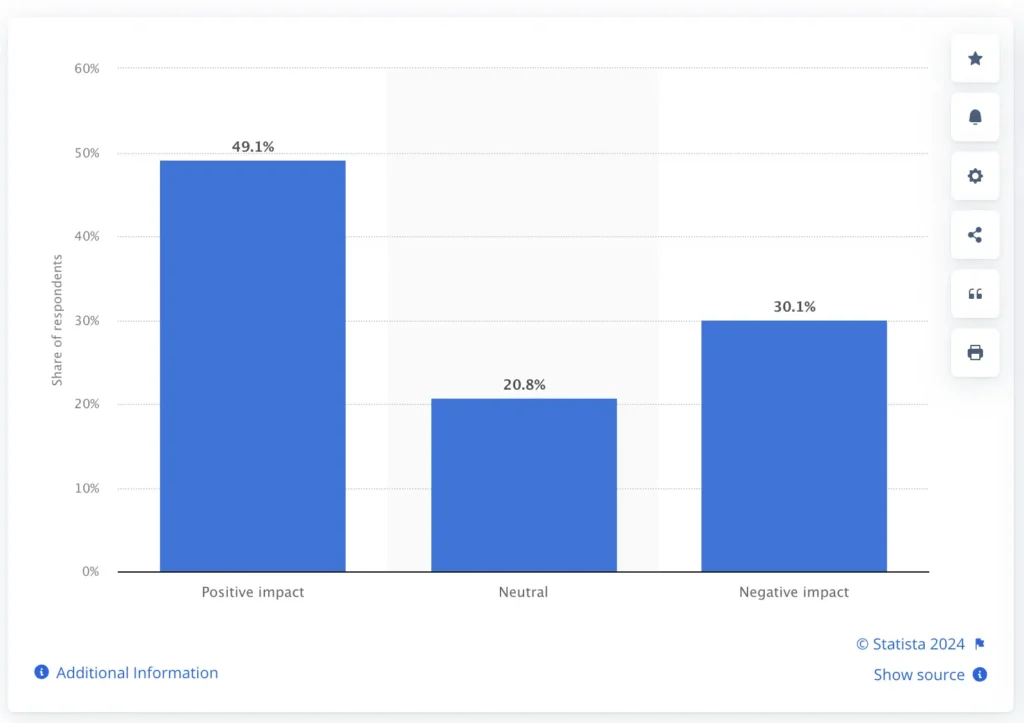
That means nearly half of marketers are still unsure about using AI effectively. But with adoption accelerating especially in SEO, anyone who doesn’t adapt soon risks getting left behind.
And the latest Semrush findings on AI Mode show just how fast things are shifting:
- AI Mode (and other LLMs) rely heavily on Google’s top 10 search results for answers
- Perplexity’s results match Google’s top 10 domains 91%+ of the time
- 92% of AI Mode responses include a sidebar with ~7 links
- 51% domain overlap + 32% URL overlap with Google’s top 10
- Reddit is now a powerhouse appearing in 40.11% of AI response link lists, outranking many established brand websites
Why Are AI Tools for SEO Important in 2025?
Google's algorithms are more sophisticated and user-focused than ever in 2025. This means that SEO now involves context, intent, engagement, and topical authority in addition to keyword stuffing and metadata tweaking. AI technologies assist you in comprehending these more complex elements, adjusting content appropriately, and preserving steady performance. For anyone hoping to stay competitive in the rapidly changing digital landscape, they are essential.
Comparison Table: 12 Best AI Tools for SEO
| Tool / Product | Pricing | Best For | Key Feature | Official Website |
|---|---|---|---|---|
| Wellows | From $37/domain/mo | AI Visibility Tracking & AI Search Growth | AI Brand Visibility Score + content and outreach opportunities | wellows.com |
| Semrush AI Assist | From $129.95/mo | Full SEO Suite | AI-Powered Keyword Research | semrush.com |
| Frase | From $14.99/mo | Content Research & Briefs | AI-generated content briefs | frase.io |
| Jasper SEO Mode | From $39/mo | AI Content Creation | AI content plus SEO integration | jasper.ai |
| MarketMuse | From $149/mo | Topic Authority | Content optimization + clusters | marketmuse.com |
| NeuronWriter | From $19/mo | On-Page Content SEO | NLP recommendations & outlines | neuronwriter.com |
| Clearscope | From $170/mo | Content Writing Teams | Real-time readability optimization | clearscope.io |
| Scalenut | From $39/mo | AI Writing + SEO Research | Keyword clustering + AI writing | scalenut.com |
| RankIQ | From $49/mo | Bloggers & Niche Sites | Pre-selected low competition keywords | rankiq.com |
| WriterZen | From $49/mo | Blog Content Strategy | Keyword explorer + topic clusters | writerzen.net |
| Outranking | From $69/mo | AI SEO Writing Assistant | SERP analysis + content grading | outranking.io |
| PageOptimizer Pro | From $20/mo | On-Page SEO | AI-driven on-page SEO scoring | pageoptimizer.pro |
Detailed Review of AI Tools for SEO
1. Wellows
🔗 Website: https://wellows.com/
Overview:
Wellows is an AI visibility platform built for brands and agencies that want to grow their presence across AI search platforms such as ChatGPT, Gemini, Perplexity, Google AI Overviews, and AI Mode. Instead of focusing only on traditional content optimization, Wellows helps teams measure AI brand visibility, identify citation gaps, uncover content opportunities, map outreach opportunities, and track performance history over time. It is especially useful for businesses that want a clearer strategy for increasing mentions, citations, and discoverability inside AI-driven search experiences.
Key Features:
- AI Brand Visibility Score across major AI platforms
- Content opportunities based on competitor dominance and citation data
- Outreach opportunities with publisher and partner discovery
Best For:
Brands, Agencies, Startups, SEO teams, AI search marketers
Pros & Cons:
| Pros | Cons |
|---|---|
| Tracks visibility across multiple AI platforms from one dashboard | More focused on AI visibility than traditional SEO workflows |
| Combines content, outreach, and performance tracking in one tool | Credit card required for free trial |
| Helps uncover citation and competitor visibility gaps | – |
2. Semrush (with AI Assist)
🔗 Website: semrush.com
Overview:
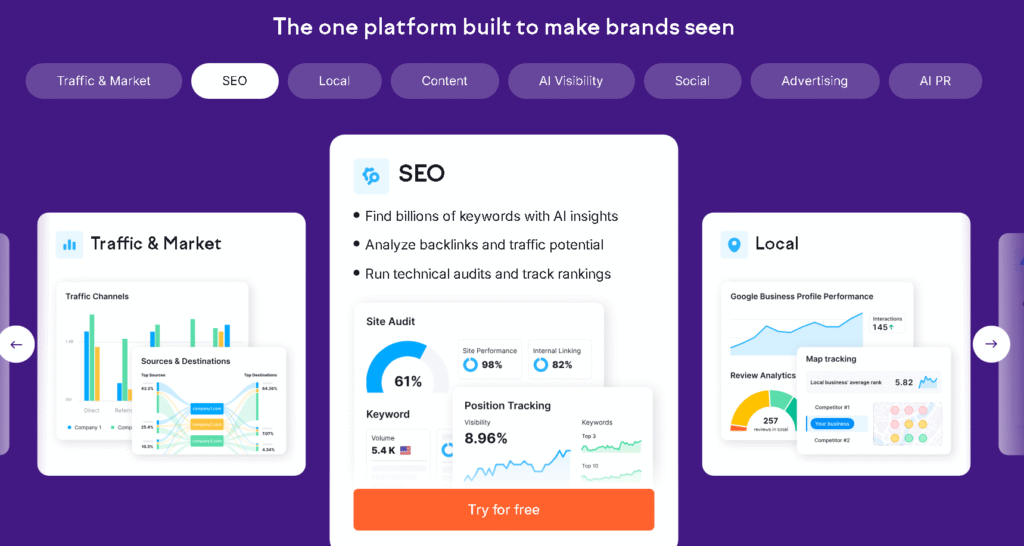
Semrush is a legendary all-in-one SEO suite offering over 50 tools including keyword research, backlink audits, competitive analysis, and now, AI content assistance. Their newest AI SEO software features help automate content generation, detect ranking opportunities, and speed up keyword clustering making it a favorite among SEO professionals.
Key Features:
- AI-powered keyword research
- Domain analytics and competitor analysis
- AI writing assistant for content creation
Best For:
SEO agencies, enterprises, bloggers
Pros & Cons:
| Pros | Cons |
|---|---|
| Largest database of keywords | Higher cost for premium plans |
| All-in-one SEO toolkit | Some features behind additional paywalls |
| AI assistant speeds up content creation | Complex for beginners |
3. Frase
🔗 Website: frase.io
Overview:
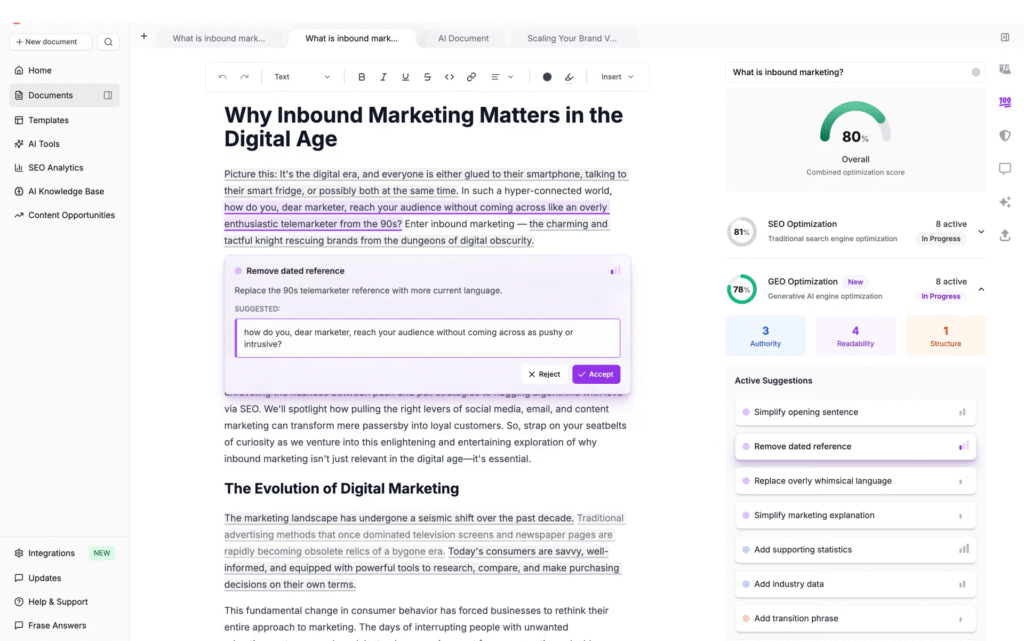
Frase is one of the best AI content optimization tools built specifically for SERP and topic research. It examines the top results on Google and creates AI-generated content briefs, questions, and headers your article should cover to rank better. It’s especially powerful for content teams that need topic clustering and fast research.
Key Features:
- AI outline generator
- Content scoring system
- Optimizes content for user intent
Best For:
Content creators, SEO writers, affiliate marketers
Pros & Cons:
| Pros | Cons |
|---|---|
| AI-created content briefs | No keyword database of its own |
| Fast SERP analysis | Not ideal for advanced SEO users |
| Affordable starter plans | Can be slow at times |
4. Jasper (SEO Mode)
🔗 Website: jasper.ai
Overview:
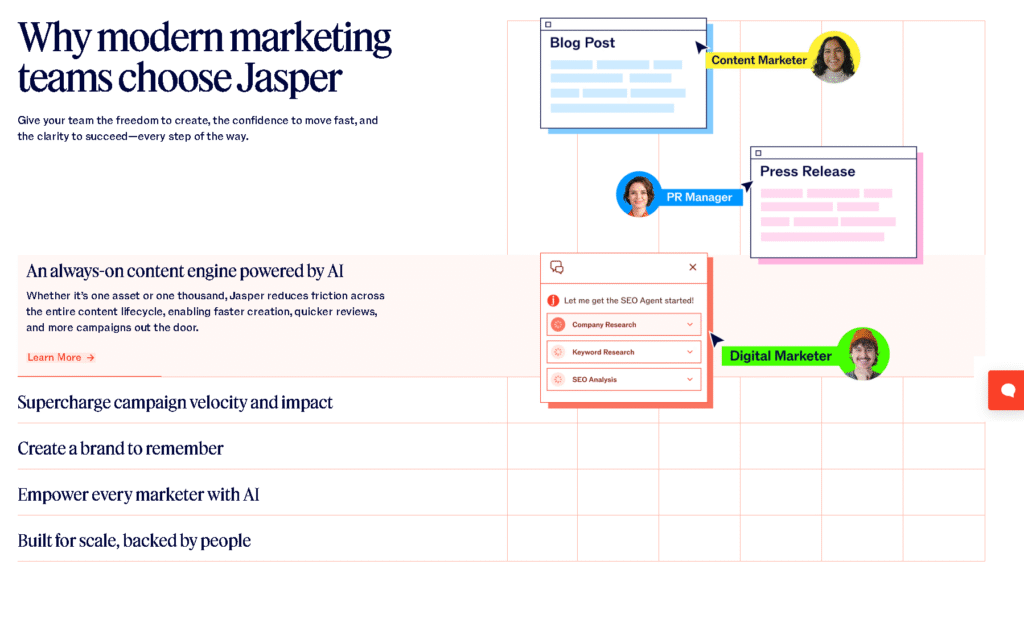
Jasper is one of the most advanced AI content writing tools, but it has grown into a full AI SEO content solution with its ‘SEO Mode'. Built on top of GPT language models, Jasper integrates with Surfer SEO and offers relevant internal linking, content scoring, and smart outlines that improve your article's ranking potential.
Key Features:
- SEO keyword integrations
- AI writing assistant with 50+ templates
- Multilingual content creation
Best For:
Bloggers, content marketing agencies, eCommerce writers
Pros & Cons:
| Pros | Cons |
|---|---|
| Creates high-quality, SEO-ready content | Needs integrations for full SEO support |
| Fast and intuitive interface | Can generate repetitive text |
| Supports multiple content formats | Higher plans are pricey |
5. MarketMuse
🔗 Website: marketmuse.com
Overview:
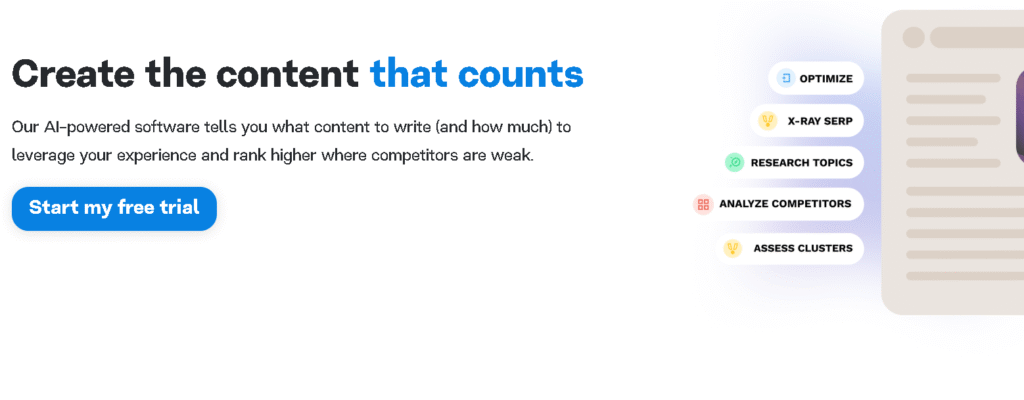
MarketMuse is a powerful AI content intelligence platform designed for large-scale optimization. It uses AI to assess your website's topical authority, suggest internal links, and create detailed content briefs that cover semantic relevance and user intent.
Key Features:
- Topic modeling and authority scoring
- In-depth content inventory
- AI-driven content briefs
Best For:
Enterprise teams, SEO strategists, editorial teams
Pros & Cons:
| Pros | Cons |
|---|---|
| Deep SEO insights for content planning | Expensive for small businesses |
| Great for authority-building content | Learning curve for new users |
6. NeuronWriter
🔗 Website: neuronwriter.com
Overview:
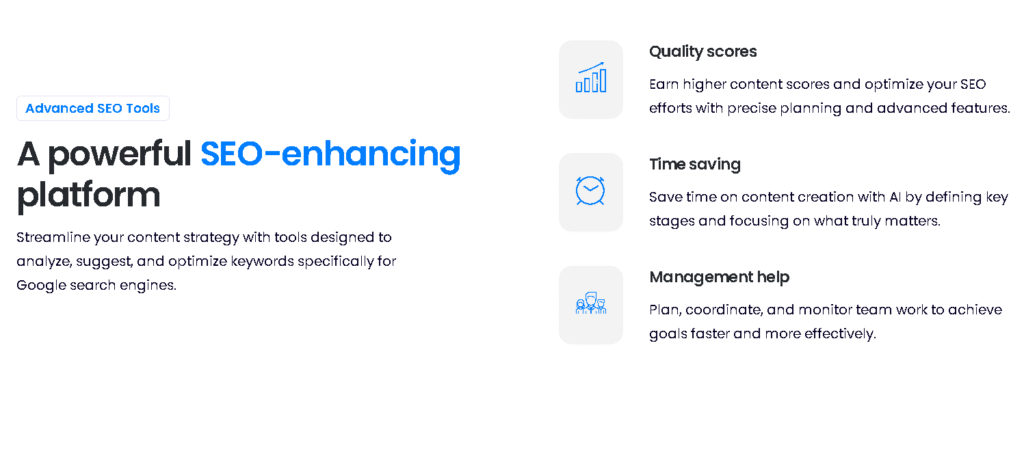
NeuronWriter is an ultra-focused on-page optimization tool powered by NLP and SERP analysis. It helps writers optimize copy for readability, relevance, and semantic richness. You get content outlines, competitor data, and suggested phrases all built around Google's latest NLP standards.
Key Features:
- NLP and SERP-based optimization
- Keyword clusters and content ideas
- Content scoring system based on competitors
Best For:
Bloggers, SEO copywriters, affiliate marketers
Pros & Cons:
| Pros | Cons |
|---|---|
| Affordable for new bloggers | Limited integrations |
| Easy content editor | Small community support |
7. Clearscope
🔗 Website: clearscope.io
Overview:
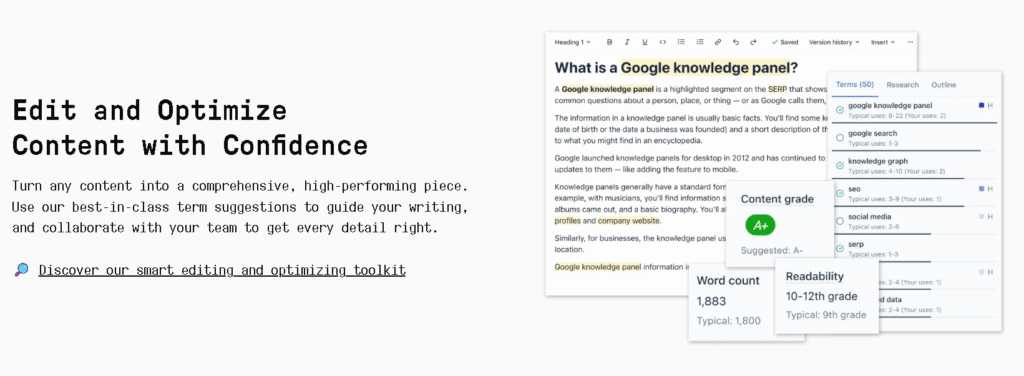
Clearscope is widely used by enterprise content teams and high-traffic websites for content optimization. It provides real-time scoring, keyword suggestions, and readability metrics, ensuring your articles stay both user-friendly and highly ranked. Known for its simplicity and accuracy, it's considered one of the best AI tools for SEO.
Key Features:
- Readability optimization
- Topic & competitive recommendations
- Google Docs and WordPress integration
Best For:
Content teams, SEO editors, agencies
Pros & Cons:
| Pros | Cons |
|---|---|
| Great UI and UX | Expensive monthly plans |
| Real-time readability & SERP data | Limited extra SEO features |
8. Scalenut
🔗 Website: scalenut.com
Overview:
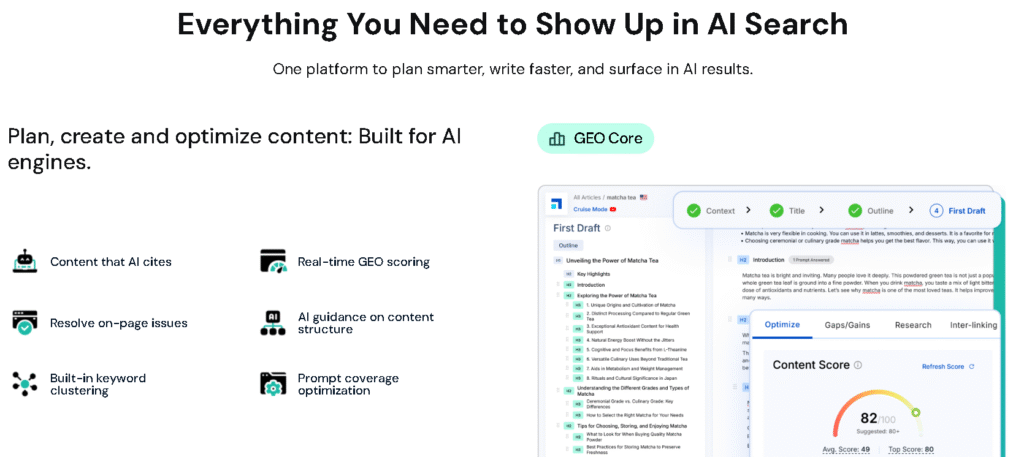
Scalenut is an all-in-one AI-powered SEO tool combining content research, keyword clustering, and AI writing. It’s great for startups or small businesses looking to manage end-to-end content creation—from topic ideation to execution with a single tool.
Key Features:
- AI writer with SEO research
- Keyword planning and content briefs
- Rank tracking and report automation
Best For:
Startups, freelancers, SEO writers
Pros & Cons:
| Pros | Cons |
|---|---|
| Affordable all-in-one solution | Keyword data less precise than large tools |
| Access to SERP and competition data | Output quality sometimes varies |
9. RankIQ
🔗 Website: rankiq.com
Overview:
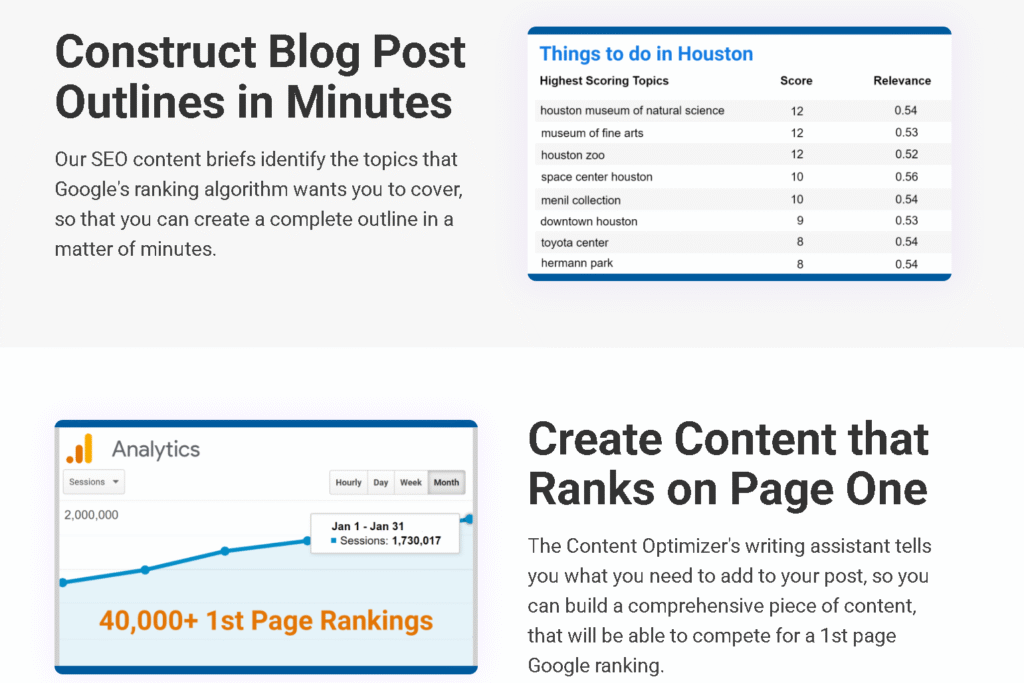
RankIQ is a highly popular SEO tool among bloggers and niche website owners. It offers a curated list of low-competition, high-traffic keywords in multiple niches, enabling faster rankings with less content work. It also provides AI content optimization and a content grader that makes it ideal for long-form blog posts.
Key Features:
- Keyword library by niche
- Content optimizer with scoring
- Outline and content briefs
Best For:
Bloggers, affiliate marketers, niche site owners
Pros & Cons:
| Pros | Cons |
|---|---|
| Saves tons of time on keyword research | Not ideal for enterprise or advanced SEO |
| Great for low-competition keywords | No technical SEO features |
10. WriterZen
🔗 Website: writerzen.net
Overview:
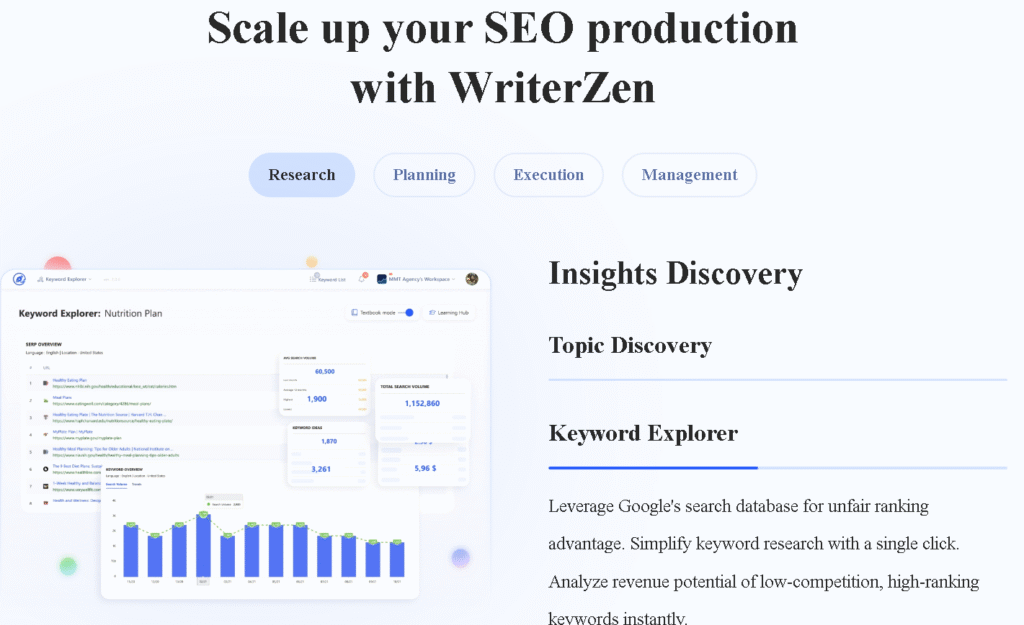
WriterZen is a smart semantic keyword research and content optimization tool. It excels at keyword clustering based on intent and semantics, helping you create high-ranking article maps in less time. With integrated plagiarism checker and AI assistant, it’s a strong contender for small businesses looking at affordable solutions.
Key Features:
- Keyword explorer with golden score
- SEO content briefs & plagiarism checker
- Topic clustering and SERP analysis
Best For:
Startups, content writers, SaaS content marketers
Pros & Cons:
| Pros | Cons |
|---|---|
| Clean UI with helpful content tools | Not a full SEO suite |
| Great for topic clustering | No backlink or rank tracking |
11. Outranking
🔗 Website: outranking.io
Overview:
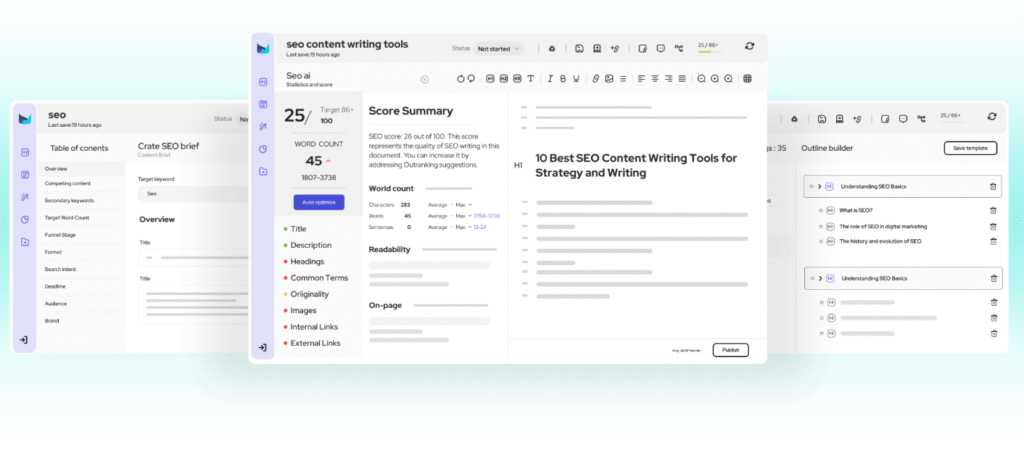
Outranking is an AI SEO assistant built to help teams create high-ranking content using SERP and competitor analysis. It features smart content outlines, SEO scoring, and step-by-step content building workflows.
Key Features:
- AI SERP analysis and content scoring
- Dynamic content workflows
- Built-in plagiarism checker
Best For:
Agencies, advanced content teams, SEO writers
Pros & Cons:
| Pros | Cons |
|---|---|
| Built specifically for SEO content | Higher pricing for premium users |
| Full workflow features | UI may feel complex at first |
12. PageOptimizer Pro
🔗 Website: pageoptimizer.pro
Overview:
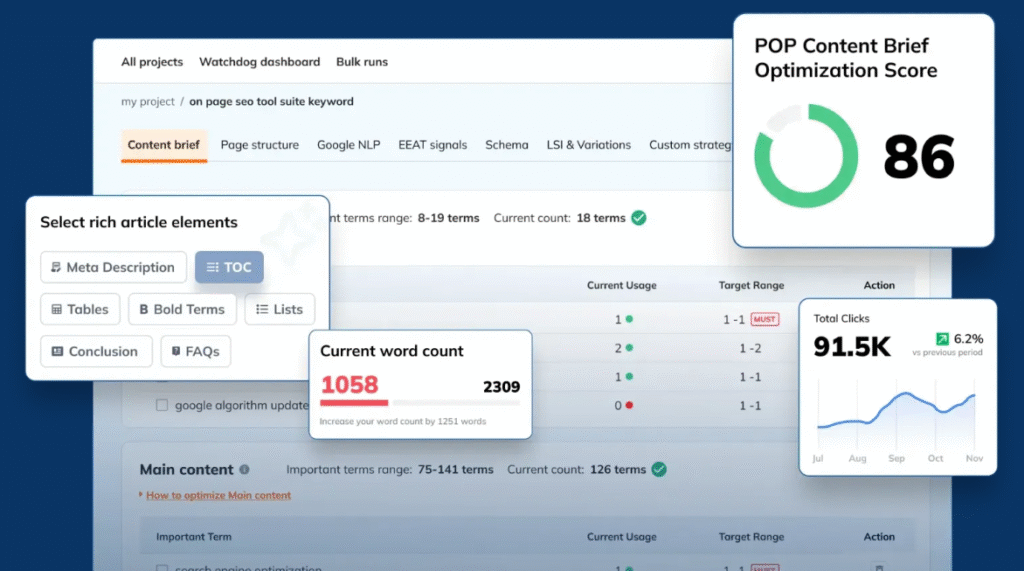
PageOptimizer Pro (POP) is one of the top on-page SEO tools powered by AI analysis of ranking pages. Made famous by Kyle Roof in the SEO community, POP gives precise, data-driven recommendations for optimizing your content especially for ranking on-page elements like headers, lists, and structure.
Key Features:
- On-page content scoring
- Competitor page analysis
- AI content editor with suggestions
Best For:
Technical SEOs, copywriters, advanced bloggers
Pros & Cons:
| Pros | Cons |
|---|---|
| Focused purely on on-page SEO | Not a full-featured SEO suite |
| Great for serious SEO practitioners | Lacks content briefs or AI writing |
Check out more at tooljunction, we share honest AI tool reviews and tutorials to help you choose the right tools for your creative projects.
FAQs
1. Which is the best AI tool for SEO beginners?
For beginners, platforms like Scalenut or RankIQ offer user-friendly interfaces and simplified workflows focused on keyword research and content optimization. They are budget-friendly and don’t require deep SEO knowledge, making them ideal for bloggers or small business owners getting started with AI tools for SEO.
2. Can I use multiple AI SEO tools together?
Absolutely! Many marketers combine tools for better results. For example, using Jasper for content creation, Surfer SEO for optimization, and Semrush for keyword and technical audits creates a powerful ecosystem of AI content optimization tools that complement each other perfectly.
3. Are AI SEO tools better than manual SEO practices?
AI tools simplify, speed up, and scale SEO processes, but they don’t replace human strategy or creativity. They analyze data faster, find patterns, and offer suggestions, but a skilled SEO expert still needs to review, refine, and customize what AI generates. AI is a smart assistant not a replacement.
4. Are these tools safe to use for Google SEO?
Yes, all the tools listed above follow ethical white-hat SEO guidelines. They provide data and optimization suggestions based on SERP patterns, semantics, and user intent but none of them use tactics that violate Google policies.
5. Do I need technical skills to use these tools?
Most AI SEO software is built for ease of use. Whether you're a content creator or marketer, most of these platforms offer built-in guides, templates, scoring systems, and tutorials to help you learn quickly.
Conclusion
AI-powered SEO is the way of the future for digital marketing, not just a fad. The aforementioned tools are transforming how individuals and teams plan keywords, evaluate competitors, produce content, and track results. Using AI tools for SEO in 2025 will give you an unrivaled advantage, whether your goal is to rank a business website, expand your blog, or compete in a crowded niche.
Try one or two of these platforms first. Try different approaches, monitor the effectiveness of your content, and then scale your use of AI to completely change the way you think about SEO.


